 English
  Bahasa Melayu




Scope of Research
 |
Strengthening water and soil resource conservation, agrochemical management as well as research and development activities for the sustainability of agricultural ecosystems. |
|
Develop and strengthen research and management of water and land resources and crops through smart and efficient information system technology. |
|
Develop efficient and competitive integrated organic farm management technology through model farm models and sustainable agricultural techniques. |
|
Generate environmentally friendly and effective organic agricultural products and inputs through comprehensive research. |
|
Developing fertilizer technology that focuses on increasing fertilizer efficiency through the use of resources such as microbes, agricultural and industrial waste, and mineral resources to optimize nutrient levels in soil and soilless media. |
|
Improving the effectiveness of fertilizers through research into the use of additives such as organic acids, biostimulants, trace elements and more efficient fertilizer application techniques. |
Expertise
| SOIL AND WATER SCIENCE | |
 |
Focus on research and development in the following subfields:
|
| ORGANIC PLANTING | |
|
|
| STEEL TECHNOLOGY | |
|
Focus on the development of the following technologies:
|
Technology
-
SOIL & WATER SCIENCE TECHNOLOGY
BRIS FIXER TECHNOLOGY
BRIS Fixer is an innovative biomass compost based on rice husk biochar, specially formulated to improve problematic sandy soils such as BRIS soil. It is produced through a selected composting technique that combines chicken manure and biochar at optimal rates, producing a soil conditioner that is rich in nutrients and has a high water retention capacity.
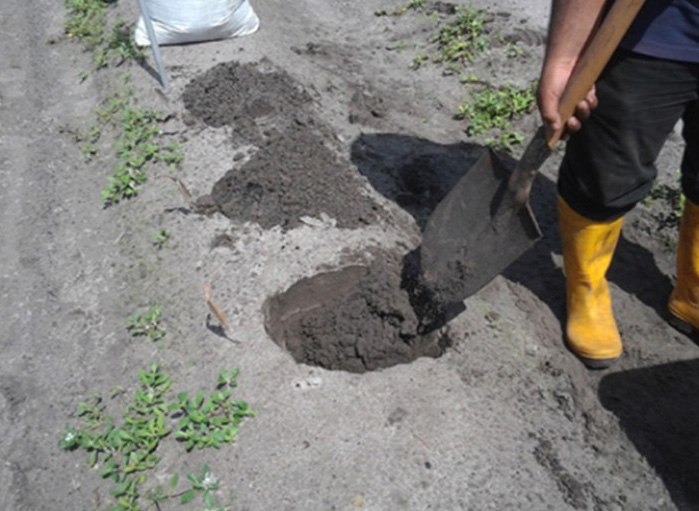
POMS and EFB compost application method by surface application 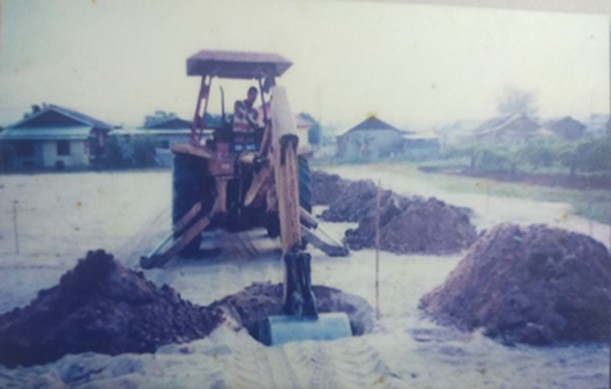
POMS and EFB compost application method by application in planting holes BRIS SOIL CONSERVATION TECHNOLOGY
Through the application of organic matter (Palm Oil Mill Sludge-POMS) and empty palm fruit bunches (Empty Fruit Bunch-EFB). This soil treatment technology was developed specifically to improve the quality of BRIS soil and sandy soil such as former mine land. It is applied through two main methods, namely surface application and application in planting holes. The results of using this technology show a significant improvement in soil quality.TECHNOLOGY FOR CONSERVATION OF PEATLAND
Through the 'Zero Burning' method and effective drainage system management. The 'Cut-Collect' zero burning technology is a peatland conservation method for the preparation of sustainable planting sites and effective drainage management. This technology helps with the problem of peat deposition and reduces the decomposition of organic matter to a minimum. The 'cut-collect' method involves cutting down forests, piling up and collecting the waste and leaving it to rot outside the plot. This technique is suitable for large and long permanent crops and gradually adding fertilizer to the soil.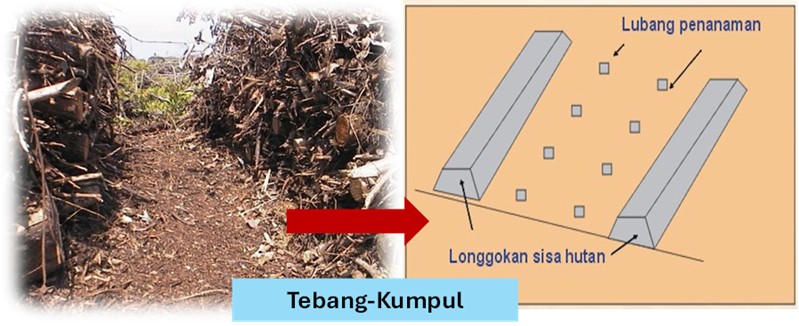
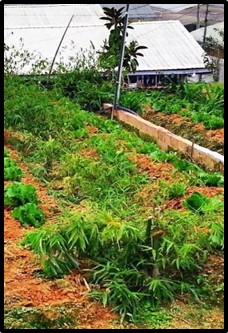
Buluh madu (Gigantochloa albociliata)

Goji Berry (Lycium chinense)
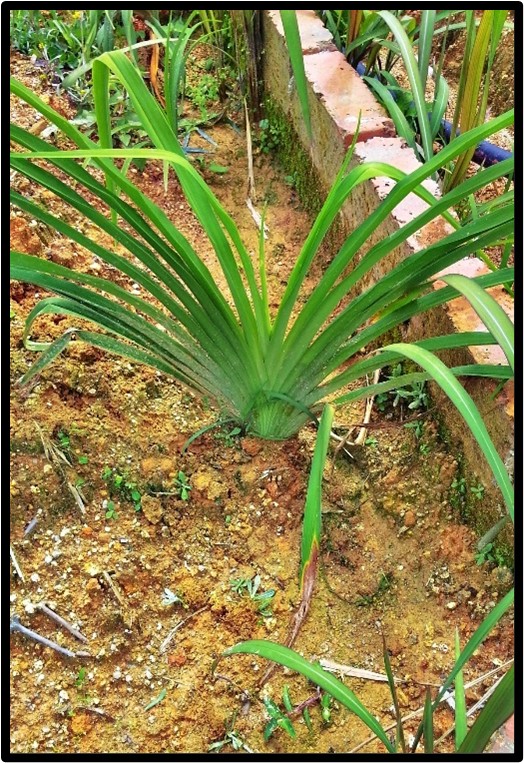
Kimcham (Hemerocallis minor) SLOPE SOIL CONSERVATION TECHNOLOGY
Through slope stabilizing and economically valuable crops. This slope soil conservation technology uses stabilizing crops such as goji berry (Lycium chinense), kimcham (Hemerocallis minor) and honey bamboo (Gigantochloa albociliata) which are strategically planted in the surface water flow paths of sloping vegetable gardens. This approach helps reduce surface runoff, prevent soil erosion and control sediment, while also producing economically valuable crops. The use of the 'live staking' method and planting saplings as buffers makes this technology suitable for slopes between 15 and 18 degrees, thus supporting sustainable and competitive agriculture.RICEFERT-OC
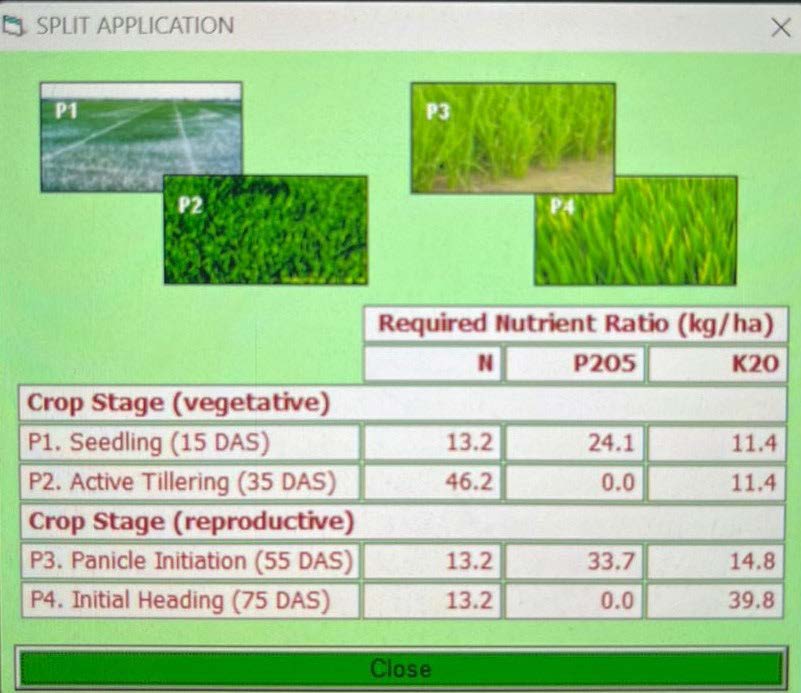
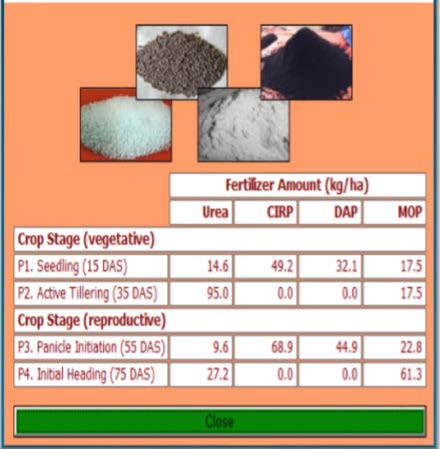
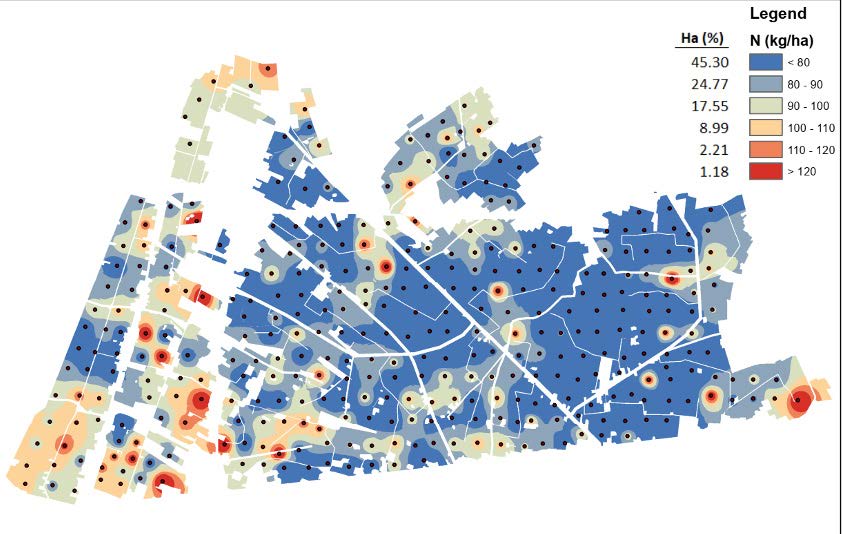
RiceFert is a location-specific fertilization technology for rice crops. The latest version, RiceFert-OC, has been upgraded to use JavaScript for online access. As of 2022, this technology will be accepted in all major rice granaries in peninsular Malaysia and areas outside the granaries. Currently, the National Rice Geospatial Information Committee uses the RiceFert system for digital mapping and fertilization recommendations via the website https://makgeopadi.mysa.gov.my .


PESTISORB
Pestisorb technology consists of a combination of local agricultural wastes that have been identified as effective in reducing pesticide residues in the environment. The identified materials are coconut shells and rice husks. To enhance the effectiveness of Pestisorb, these materials were burned into biochar through controlled combustion techniques. All of these biochars were then characterized through CHN-elemental analysis, ash content, adsorbent pH in solution measurements, surface area (BET) and scanning electron microscopy (SEM).
-
ORGANIC FARMING TECHNOLOGY
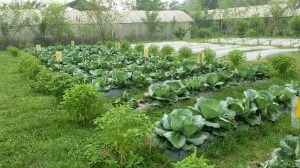
ORGANIC LOWLAND CABBAGE PRODUCTION TECHNOLOGY
Organic cabbage production technology in lowlands was generated to ensure a continuous supply of organic cabbage in lowlands and can be cultivated more efficiently. This production package covers various aspects such as seedling management, site preparation, planting in the field, fertilization and irrigation as well as harvesting and post-harvest handling has been successfully produced. Economic analysis also shows that organic cabbage cultivation in lowlands is viable and capable of providing good returns.
ORGANIC AND INTENSIVE CHILI PRODUCTION TECHNOLOGY PACKAGE
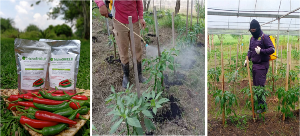
This organic chilli production technology package involves the use of MARDI technology such as BioRichar fertilizer as an organic fertilizer and TrichoMAR as a biopesticide to control chilli anthracnose disease. This technology package also suggests lettuce as a companion crop for chilli, while Turnera subulata flowers act as a border crop that hosts the natural enemy (turtle beetle) for aphids. This organic and intensive chilli production technology package can help increase local organic chilli production from myOrganic farms in the country.
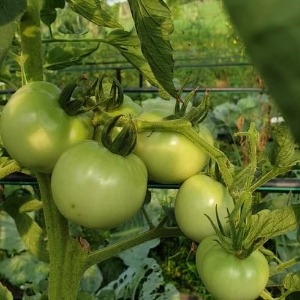
INTENSIVE PRODUCTION TECHNOLOGY OF ORGANIC FRUIT VEGETABLES – CHILI AND TOMATO (REGU PLANT)
This intensive organic production technology for fruit vegetables (chili and tomato) uses a double planting method with leafy vegetables. The results of the study found that chili is suitable for planting with lettuce which acts as a repellent plant, while tomatoes are suitable for planting with kailan and mustard which function as attractant plants.
ORGANIC VEGETABLE PEST MANAGEMENT TECHNOLOGY PACKAGE
This technology package for pest and disease management uses selected biopesticides for chili plants as well as the effects of flower strips (tunera) and lemongrass on okra plants. For the main diseases and pests of chili, it was found that Trichoderma -based biofungicides can reduce the incidence and severity of anthracnose disease in chili, while the use of garlic oil, neem and Bioguard can reduce the population of aphid and whitefly pests. Cultivation of okra with tunera and lemongrass using ecological engineering methods showed a decrease in the number of pest insects compared to the control. The tunera group had a higher number of beneficial insects compared to lemongrass and the control. The sales revenue of okra was higher in the tunera group.

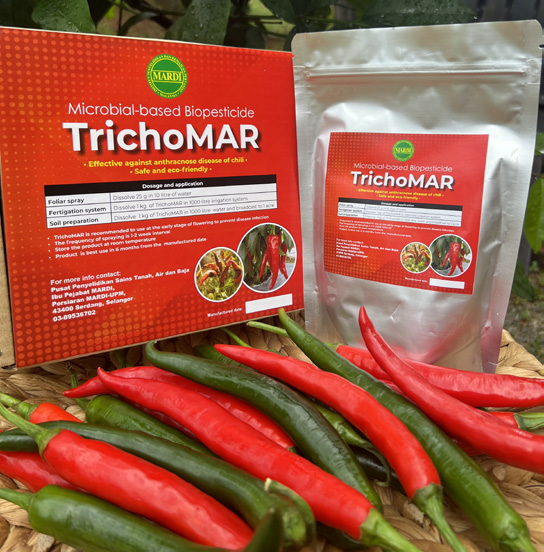
BIOPESTICIDE TRICHOMAR FOR THE CONTROL OF ANTHRACNOSIS DISEASE IN CHILI
TrichoMAR technology contains at least an average colony forming unit (CFU) of 1.0 x 10⁷. Field applications have also found that TrichoMAR is able to reduce anthracnose disease infections by up to 88%. TrichoMAR application in the field is by spraying for a period of time between 7 - 10 days starting at the early stage of fruit production and can also be applied in the preparation of soil and planting medium.
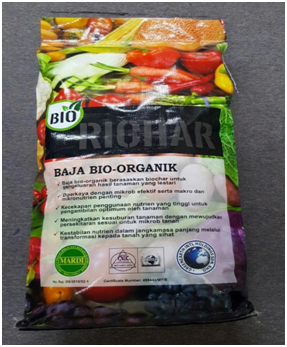
BIO-ORGANIC FERTILIZER (BIORICHAR)
Bio-Organic fertilizer formulation based on biochar and agricultural biomass waste enriched with macro and micronutrients, as well as beneficial microbes essential for higher and sustainable organic crop production. This eco-friendly and cost-effective technology aims to provide more sustainable and optimal organic production results. This fertilizer formulation complies with myOrganic guidelines for certified organic farms and individuals interested in eco-friendly agriculture.
RAPID ROTATING COMPOSTING FOR VEGETABLE WASTE
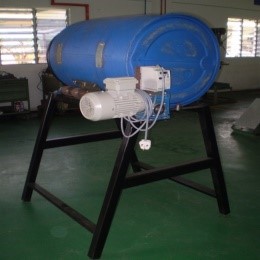
The rotating rapid composting system uses electricity to rotate a bin containing a mixture of waste using the correct C/N ratio and uses the concept of aerobic degradation to produce compost. The system is portable and can be used by small-scale farmers and is affordable. It is believed that the system can solve the environmental pollution caused by agricultural waste and increase farmers' income through the production of high-quality compost.
-
MUSHROOM TECHNOLOGY
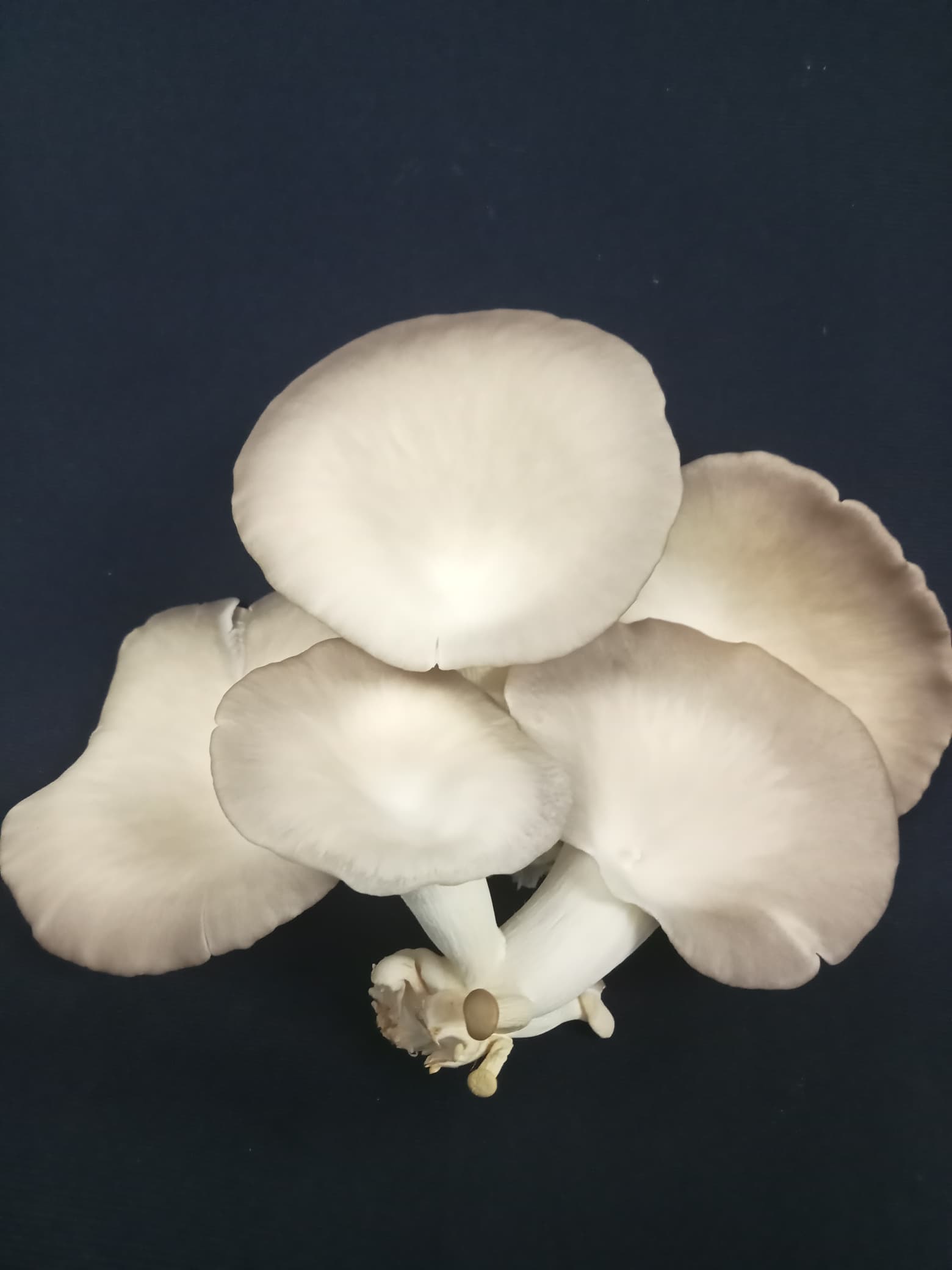
CULTURE OF GRAY OYSTER MUSHROOM, MP 9 AND MP 28 ISOLATES
The production technology of grey oyster isolates MP 9 and MP 28 has been found to provide better quality compared to oyster mushrooms available on the market. The advantages in terms of quality and larger size and thickness of the isolated mushrooms compared to those currently available on the market. The isolated mushrooms are able to produce faster results, longer lasting results and isolates that are more resistant to contamination compared to mushroom isolates on the market.


GREY AND CURRENT OYSTER LIQUID SEEDS
Liquid seed production technology for grey oyster mushrooms (MP 9 and MP 28) and kukur mushrooms was produced using a bioreactor. Liquid seeds for both types of mushrooms showed faster mycelium growth and mushroom production than solid seeds. In terms of yield production, liquid seeds were equivalent to solid seeds. The use of liquid seeds recorded a lower contamination rate than solid seeds, around 3%. Liquid seeds were also used as a starter inoculum for solid seed production. The advantage is that it can reduce the production time and reduce the contamination rate of solid mushroom seeds (wheat seed substrate).
SOLID SEEDS OF GREY AND WHITE OYSTER MUSHROOMS
The technology for producing solid seeds of grey oyster mushrooms (MP 9 and MP 28) and kukur mushrooms has been produced using wheat seeds as a substrate. The seeds produced can increase yields (fast yield production and 39 days of ripening period) and reduce the percentage of contamination.


ADJUSTABLE VOLUME LIQUID SPAWN INJECTOR ( AVLI )
ALVI is a special tool for injecting liquid seeds into bags of sawdust substrate (mushroom growing medium). The use of this tool can increase productivity by reducing the number of workers required for the seed injection process. Labor (time) savings of up to 60% are achieved for seed injection by using this equipment. The use of this tool can also reduce contamination of sawdust blocks when compared to conventional injection. This tool is portable and can be used anywhere if needed.
POST-HARVEST PRACTICES FOR KUKUR MUSHROOMS
Post-harvest practices for grey oyster mushrooms MP 9, MP 28 and kukur have been developed. For the MP 28 and kukur isolates, freshness is maintained for up to two weeks when stored at 20 °C. On the other hand, grey oyster MP 9 lasts longer, for three weeks at the same temperature.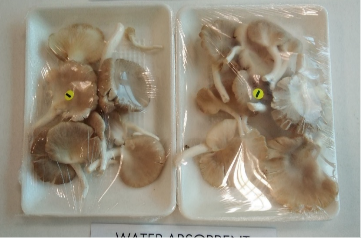

DRIED MUSHROOM PRODUCTION TECHNOLOGY
The technology for producing dried kukur mushrooms is produced through the use of solar houses. Solar houses are building structures that are completely covered with bright plastic. This drying system allows dried kukur mushrooms to last up to six months. These dried mushrooms need to be soaked in water before cooking.
-
FERTIIZER TECHNOLOGY
REALSTRONG N BIO-BOOSTER
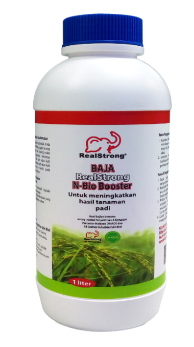
RealStrong N Bio-Booster biofertilizer was developed using a strain of Bacillus subtillis (NCF4) isolated from compost and produced using a cost-effective medium, MARDI Growth Medium (MGM). Results from studies on the enhancement of RealStrong N Bio-Booster biofertilizer have shown positive effects on soil chemistry (pH, total N and total carbon) and the population of beneficial microorganisms in the soil.
GREENCOAT FERTILIZER FOR MANGO AND PAPAYA
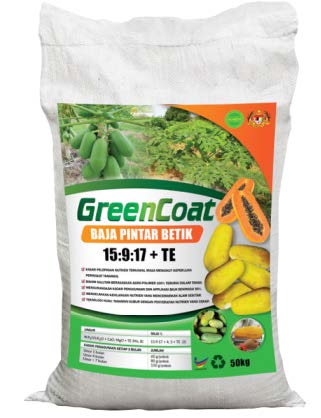
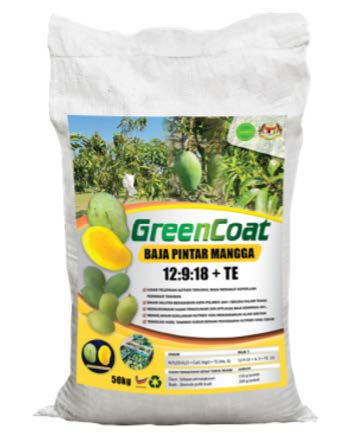
GreenCoat Smart Fertilizer technology for mango and papaya plants, a result of MARDI research, can help fruit entrepreneurs and producers increase the yield and quality of fruits while reducing production costs and is indirectly expected to reduce the selling price of mango and papaya. In addition, this fertilizer is also environmentally friendly because it is a slow-release and time-controlled fertilizer that can reduce nutrient leaching rates, reduce fertilizer use rates and increase nutrient uptake efficiency.
GLADIATOR 1.0
GLADIATOR1.0 is a beneficial bacterial inoculant that induces systemic resistance in banana plants against blood diseases. This product is developed using local beneficial bacteria Baccilus sp. bacteria which is formulated in liquid form and applied by watering on the roots of banana trees. Apart from being an eco-friendly product, Gladiator 1.0 is also effective in controlling diseases up to 92% and is considered a green technology and suitable for both conventional and organic banana production. It also promotes vegetative growth, accelerates the production of flower bunches and bananas and can provide higher yields.

DIEBACK BUSTER
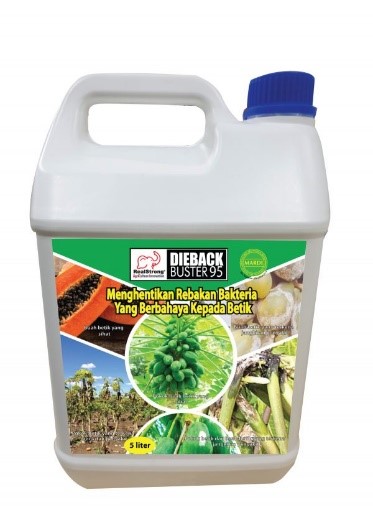
Dieback Buster is a bio-inoculant that can protect papaya from dieback disease caused by Erwinia mallotivora (ER), previously known as Erwinia papayae. With a systemic resistance mechanism, Dieback Buster will act as a microbial inoculant to trigger the plant's immune system to prevent infection from the Erwinia mallotivora bacteria .
CAMOB FOLIAR FERTILIZER
CAMOB's calcium nutrient chelate technology or foliar fertilizer is developed to ensure that calcium can be mobilized effectively and efficiently into plant tissues. This fertilizer is water soluble and easy to apply to the leaves, facilitating efficient absorption by the plant. CAMOB products are also stable under normal storage and are non-toxic.

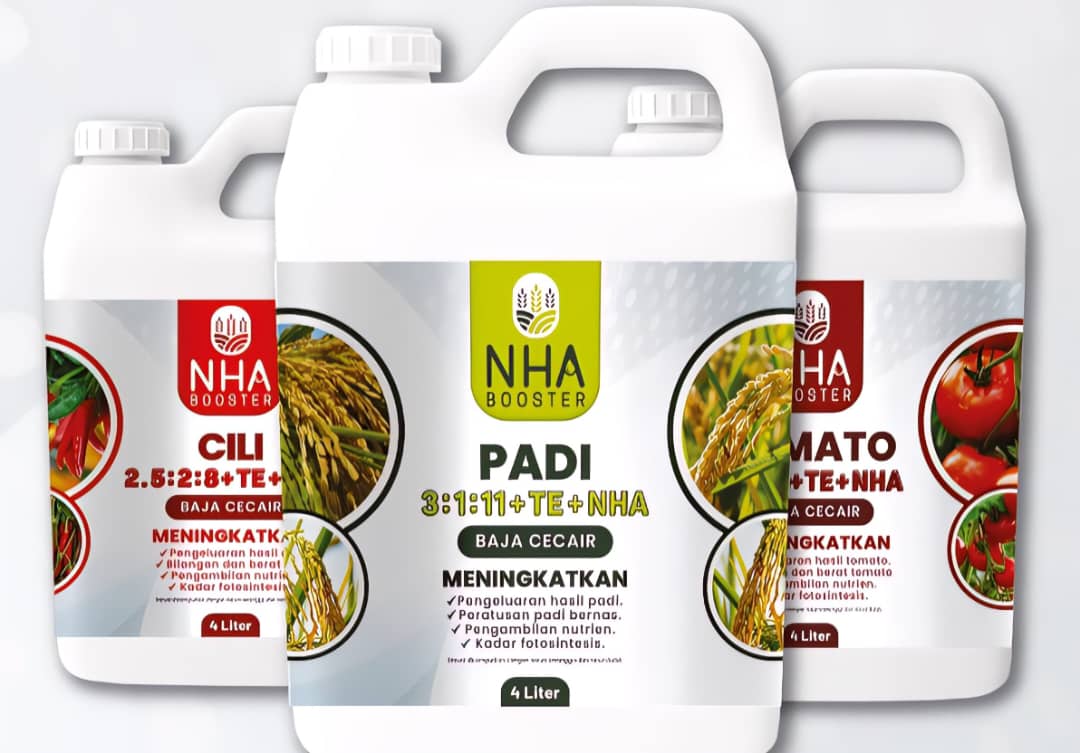
NITRO-HUMIC ACID (NHA)
Nitro-humic acid (NHA) is a macromolecular substance with active biochemical properties. It is known for its functions in improving soil fertility, promoting nutrient absorption by plants, enhancing soil biological activity and enhancing enzyme activity to enhance the efficiency of leaf photosynthesis. It also has a variety of applications but is commonly used in the production of fertilizer products.
VEGETABLE FERTILIZING TECHNIQUES WITH SELENIUM
The technique of fertilizing vegetables with selenium (Se) was developed to produce Se-enriched plants. Significant increases in Se content were observed when Se was included in the fertilization program compared to conventionally grown vegetables. These Se-enriched vegetable products are seen to be able to further diversify Se-enriched food sources and reduce the incidence of Se deficiency among Malaysians.

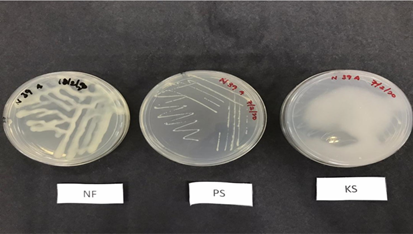
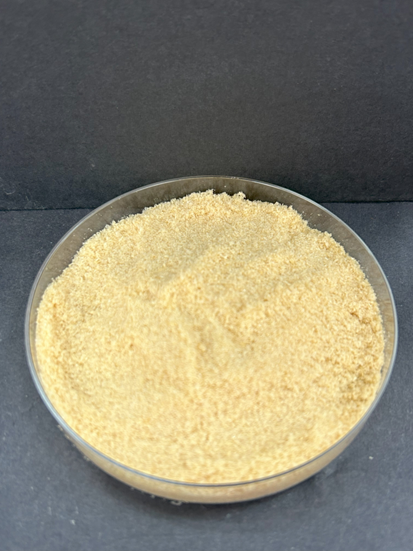
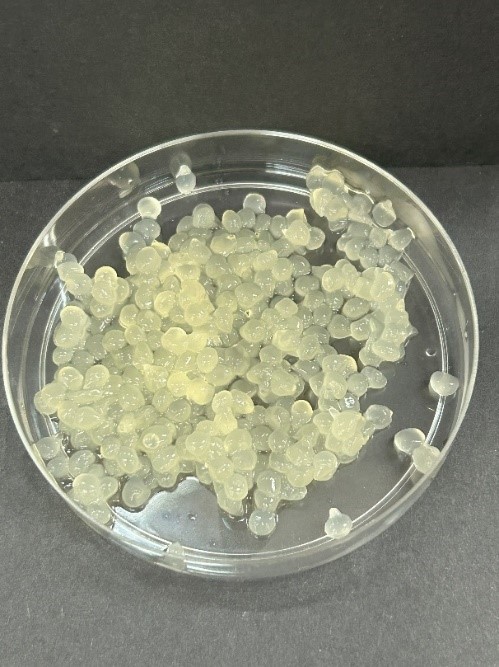
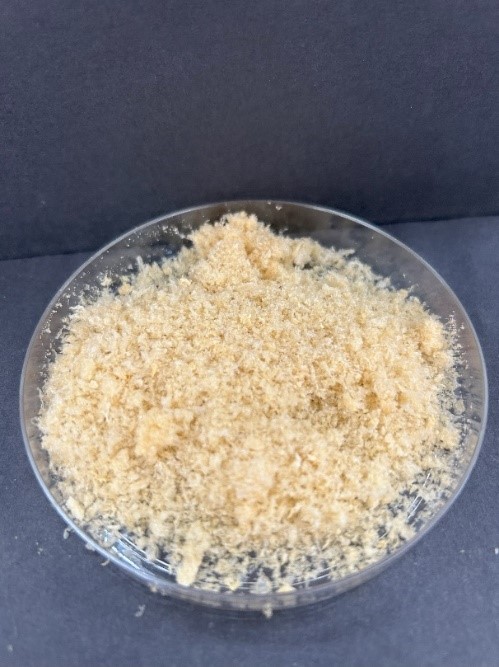
BENEFICIAL SOIL INOCULATE CAPSULES (BIOPLUS)
Bio+ contains three types of beneficial soil bacteria, namely Bacillus velezensis which has three functions, namely binding nitrogen and dissolving phosphorus and potassium, while Paenibacillus polymyxa and Bacillus amyloliquefaciens which have two functions, namely binding nitrogen and dissolving phosphorus) which are able to increase the efficiency of nutrient uptake by plants and increase soil fertility by converting nutrients bound in the soil into nutrients available for plants to take up.
Publications
- Liza Nuriati Lim Kim Choo, Osumanu Haruna Ahmed, Nik Muhamad Nik Majid and Zakry Fitri Abd Aziz. (2021). Pineapple Residue Ash Reduces Carbon Dioxide and Nitrous Oxide Emissions in Pineapple Cultivation on Tropical Peat Soils at Saratok, Malaysia. Sustainability, 13, 1014.
- Alicia Vanessa Jeffary, Osumanu Haruna Ahmed, Roland Kueh Jui Heng,Liza Nuriati Lim Kim Choo, Latifah Omar, Adiza Alhassan Musah and Arifin Abdu. (2021). Nitrous Oxide Emissions in Pineapple Cultivation on a Tropical Peat Soil. Sustainability, 13, 4928.
- Wendy Luta, Osumanu Haruna Ahmed, Latifah Omar, Roland Kueh Jui Heng, Liza Nuriati Lim Kim Choo, Mohamadu Boyie Jalloh, Adiza Alhassan Musah and Arifin Abdu. (2021). Water Table Fluctuation and Methane Emission in Pineapples (Ananas comosus (L.) Merr.) Cultivated on a Tropical Peatland. Agronomy 2021, 11, 1448.
- N. F. A. Rahman, A.A. H. Awangku, V. C. Tai, M. Mohammad, S.H. Haron, K. Khalid, M.Z.A Rasid & S. M. Shariff. (2021). Site selection of water reservoir based on weighted overlay in ARCGIS (Case study: Bachok, Kelantan). Sci. Int.(Lahore),33(2): 135-139
- Norziana,ZZ., Intan Nadhirah,M, Nur Liyana,I.,Illani Zuraihah,I and Theeba,M (2021). Green manuring to improve soil quality in an organic farm. In Proceedings-Southeast Asia Vegetable Symposium 2019, Theme: Advancing Vegetable Technology for Higher Product 2021.eds Muda, Pauziah, Ramasamy, Srinivasan, Linwattana, Grisana, Gaddagimath, P.B., Boehme, Michael Henry Manickam, Theeba, Nath, Prem (Editors) (2021). p328-331.
- Faridah, M., Roslan, I., Arina Shairah, A.S., Razali, M. (2021). Does different nitrogen (N) input affect yield and phytochemical content of organic leafy vegetables. In Proceedings-Southeast Asia Vegetable Symposium 2019, Theme: Advancing Vegetable Technology for Higher Product 2021.eds Muda, Pauziah, Ramasamy, Srinivasan, Linwattana, Grisana, Gaddagimath, P.B., Boehme, Michael Henry Manickam, Theeba, Nath, Prem (Editors). p240-244
- N. Chai Keong, H. Siti Hajar and A.M. Khairatul. (2020). Suitability of PSA (Primary Secondary Amines) and Z-Sep as clean-up sorbents in AOAC official method 2007.01 for analysis of trifloxystrobin and CGA 321113 residue in dragon fruit, star fruit and watermelon. J. Trop. Agric. and Fd. Sc. 48(1): 1 – 10
- Wan Abdullah Wan Yusoff, Noor Haslizawati Abu Bakar dan Muhammad Syahren Adzahar. (2020). Penggunaan teknologi lisimeter dalam kajian mobiliti cecair larut lesap dalam profil tanah di MARDI. Buletin Teknologi MARDI Bil. 19: 49 – 64.
- Wan, A.W.Y., Noor Haslizawati A.B., Azimah A.K., Khasifah, M., Muhammad Zamir, A.R., Intan Nadhirah, M. (2020). Living mulching ‘sponge’ of the mountain agro systems. In Proceedings- Hari Inovasi MARDI 2020, Theme: safeguarding Malaysia’s Food Sovereignty and Food Security through Innovation. 2020 eds. Ali, Masdor and Mohd. Said (Editors). p431-433
- Intan Nadhirah Masri, Noor Haslizawati Abu Bakar dan Mohamed Hafeifi Basir. (2020). Penghasilan vermikompos diperkaya dari sumber sisa sayuran dan pemangkasan Gliricidia sepium dan Moringa oleifera dari Kompleks Ladang Organik Bersepadu MARDI Serdang. Buletin Teknologi MARDI Bil. 19: 127 – 134
- Ngan, C.K., Mohammad Nazrul Fahmi, A.R., Khairatul, A.M. and Mohammad Shahid, S. (2020). Maximum Residue Limit (MRL) setting of trifloxystrobin on curry leaves for application of Flint in curry leaf farms for control of Ascochyta rabiei. J. Trop. Agric. and Fd. Sc. 48(2): 59 – 69
- Ngan, C. K., Mohammad Shahid, S. Norhasimah, H., Haslihana, Y., Jamaliah, J., & Khairatul, A.M. (2020). Generation of residue data for CODEX maximum residue limits of pyriproxyfen on mango and papaya Generation of residue data for CODEX maximum residue limits of pyriproxyfen on mango and papaya. In Proceedings- Hari Inovasi MARDI 2020, Theme: safeguarding Malaysia’s Food Sovereignty and Food Security through Innovation. 2020 eds. Ali, Masdor and Mohd. Said (Editors). p388-390
- Faridah Manaf, Roslan Ismail and Arina Shairah Abdul Sukor. (2020). Effect of reduced nitrogen fertilizer rate on nitrogen uptake and yield of spinach (Amaranthus spp.). Int. J. Curr. Res. Biosci. Plant Biol. 7(10): 1-7
- Liza Nuriati Lim Kim Choo, Osumanu Haruna Ahmed, Shaidatul Azdawiyah Abdul Talib, Mohamad Zabawi Abdul Ghani and Shamsiah Sekot. (2020). Clinoptilolite Zeolite on Tropical Peat Soils Nutrient, Growth, Fruit Quality, and Yield of Carica papaya L. cv. Sekaki. Agronomy, 10, 1320, doi:10.3390/agronomy10091320
- Liza Nuriati Lim Kim Choo, Osumanu Haruna Ahmed, Nik Muhamad Bin Nik Majid & Zakry Fitri Bin Ab Aziz. (2020). Improving Nitrogen Availability on a Tropical Peat Soil Cultivated with Ananas comosus L. Merr. Using Pineapple Residue Ash. Journal of Soil Science and Plant Nutrition, Volume 20: 657–672
- Marshall, K.S. & Evers, S. L. (2020). Surface Area Correction (SAC): Approach to reduce emission from oil palm plantation on tropical peatland. In Proceedings- Hari Inovasi MARDI 2020, Theme: safeguarding Malaysia’s Food Sovereignty and Food Security through Innovation. 2020 eds. Ali, Masdor and Mohd. Said (Editors). p437-440
- Mohammad Shahid. S., Mohammad Hariz, A.R., Mohd Fazly, M., Nor Azhar, A., Jamaliah, J., Ngan, C.K., Nor Ashikin, B., Kogeethavani, R., Badrulhadza, A., Elixon, S., & Asfaliza, R. (2020). Potential of local agrowaste as bio-adsorbent for environmental contaminant Potential of local agrowaste as bio-adsorbent for environmental contaminant. In Proceedings- Hari Inovasi MARDI 2020, Theme: safeguarding Malaysia’s Food Sovereignty and Food Security through Innovation. eds. Ali, Masdor and Mohd. Said (Editors). p431-436
- Marshall, K.S. (2019). Assessing the role of artificial compaction on physicochemical properties and carbon emissions of tropical peat soils. PhD thesis, University of Nottingham.
- Dayang Safinah Nayan, Rozlaily Zainol, Che Fauziah Ishak, Arina Shairah Abdul Sukor & Martini Mohammad Yusoff. (2022). Selenium adsorption and desorption capacity and its influence on selenium uptake by green spinach, Journal of Plant Nutrition
- Najib M. Y. M., Hasnuri M. H., Izham M. N. N. M., Fadzli A. R. M. N. (2021). Effects of silicic acid rate and application method on plant growth, yield components and yield of Oryza sativa L. var. MR284. IOP Conference Series: Earth and Environmental Science 711, 012013.
- Mohd Zafrul Arif Radhi, Muhammad Naim Fadzli Abd Rani, Emmyrafedziawati Aida Kamal Rafedzi, Nor Syahidah Md Sam, Mohd Aziz Rashid, Ahmad Arif Ismail, Nurul Ain Ismail, Noor Shita Desa and Nor Hidayah Mohamad Dzani (2021). Bactostimulant: A plant booster for paddy. Proceedings of MARDI Science and Technology Exhibition (2021): 286 – 288
- Radhi M.Z.A. and Abu Bakar B. (2020). The Current Technologies That Can Be Used for Smart Agriculture. FFTC Agricultural Policy Platform (FFTC-AP). https://ap.fftc.org.tw/article/2457
- Dayang Safinah Nayan. (2020). Selenium biofortification of green spinach (amaranthus spp.) affected by soil types, phosphorus fertilization and selenium sources, and application timing. PhD Thesis, Universiti Putra Malaysia.
- Emmyrafedziawati, A.K.R., Abdul Munir, A.M. and Farah Diba, A.B. (2020). Effects of Plant Growth Promoting Rhizobacteria Consortia on Total Chlorophyll Content and Osmolytes Concentration on Rice (Oryza sativa L.) under Drought Stress Condition. Extended abstract in Transactions Of The Malaysian Society Of Plant Physiology Vol. 28: Emerging Trends of Plant Physiology in Changing Environment, 17-18 November 2020, MSPPC 2020 Webinar. Pages 102-106.
- Nayan D.S., Zainol R., Abdul Sukor A.S., Mohammad Yusoff M., Ishak C.F. (2020). Selenium biofortification of green spinach with optimum phosphorus fertilization and selenium application timing. Agrosystems, Geosciences & Environment, Volume 3 (1): e20089.
- Dayang Safinah N., Farahzety A.M., Rozlalily Z., Arina Shairah A.S., Martini M.Y., Che Fauziah I. (2019). Selenium uptake by green spinach as affected by phosphorus fertilization. Extended abstract in Proceedings of Southeast Asia vegetable Symposium (SEAVEG 2019): Advancing vegetable technology for higher productivity and better human health, July 9-11, 2019, Hatten Hotel, Melaka, Malaysia, pages 234-239.
- Dayang Safinah N., Farahzety A.M., Rozlalily Z., Arina Shairah A.S., Martini M.Y., Che Fauziah I. (2018). Adsoption-desorption of selenium in soil. Extended abstract in Joint Symposium of the 8th International Agriculture Congress 2018 and 6th International Symposium for Food & Agriculture 2018: Shaping the future through agriculture innovation, 13-15 November 2018, Universiti Putra Malaysia, Selangor, Malaysia, pages 329-334.
- Mohd Zafrul Arif Radhi, Emmyrafedziawati Aida Kamal Rafedzi, Noor Shita Desa and Nor Hidayah Mohamad Dzani (2018). Successful Culturing Of Photosynthetic Bacteria In Seaweed Extract As A Bio Stimulant In Plants. 3rd Asean Microbial Biotechnology Conference 2018 (AMBC 2018), 24-26 April 2018, Kuching, Sarawak. P.69
- M.Z.A. Radhi, M.B. Adam, H.M. Saud, M.N. Hamid, P.S.H. Tony and G.H. Tan. (2018). Fermentation optimization of ER2738 - E. coli host cells for mass production of bacteriophages of agricultural importance. Proceeding of National Conference on Agricultural and Food Mechanization 2018 (NCAFM), 17-19 April 2018, Pullman Kuching, Sarawak. P.300-302
- Mohd Zafrul Arif Radhi. (2018). Country Paper (Malaysia) for 3rd International Conference on Biofertilizers and Biopesticides. 3rd International Conference on Biofertilizers and Biopesticides: Novel Industry Techniques, Market Trends, and International Cooperation, 7-10 August 2018, Taipei, Taiwan, Republic of China. P.1-21
- Tosiah, S. (2021). Kepelbagaian mikroorganisma: pembangunan teknologi berkaitan pertanian dan makanan. Makalah Sesekala Majlis Sains MARDI. m.s. 53 - 65. Serdang: MARDI Volume: 2021 Muka Surat: 53-65
- Tosiah, S. (2021). Trichoderma asperellum 1614: A fungus with diverse potential. Proceedings of MARDI Science and Technology Exhibition 2021 Bilangan: MSTE 21 pp 376-379
- Tosiah, S. (2020). Pencilan Trichorderma 1614, Agen Pengurusan sisa pertanian yang efektif. Buletin Teknologi MARDI Bil. 19 (2020): 35 – 47
- Tosiah, S. (2018). Pengurusan Mikroorganisma dalam Penyelidikan. Dalam:AGROBIODIVERSITI DI MALAYSIA III : Agrobiodiversiti untuk Pembangunan Sosioekonomi Negara. pp 33-37. MARDI 2018
- Theeba, M. (2021). Baja organo-mineral untuk pengeluaran tanaman lebih lestari dan kos efektif. Makalah Sekala Majlis Sains. Bil 1: 27-33
- Theeba, M. (2021).Brix Fixer. Terapi Tanah Bris. Makalah Sesekala Majlis Sains. Bil 1: 21-26
- Theeba, M. (2021). Southest Asia Vegetable Symposium (SEAVEG) Proceedings. Advancing vegetable technology for higher Productivity and Better Human Health.
- Theeba, M. (2020). RiceFERT: Pengurusan baja lokasi spesifik padi. Buletin Teknologi MARDI. Bil 19: 11-23
- Theeba, M. (2020). Teknologi perapi tanah arang bio sekam padi bagi pengurusan tanah bermasalah dan pengeluaran tanaman yang lestari. Bil 18: 111-116
- Theeba, M. (2017). Effect of soil amendments on growth performance and yield of field grown sweet corn (Zea mays) cultivated on BRIS soil. Proceedings of the Southeast Asia Vegetable Symposium (SEAVEG) 2016: Vegetable for Improved Nutrition and Livelihood, 6-8 September, Putrajaya, Selangor. ISBN 978-967-936-656-3
- Theeba, M. (2017). Kajian Keberkesanan Baja Bio Organik untuk tanaman padi di tanah berasid (Kg Golok). Buku Proceeding Persidangan Padi Kebangsaan 2017.
- Illani Zuraihah I. (2019). Teknologi penanaman kubis bulat di tanah rendah secara organik. Buletin Teknologi MARDI Bil. 17 (2019): 55 – 65
- Illani Zuraihah, I. (2018). Evaluation of two different compost material as organic fertilizer on soil fertility status. In Proceeding of the 10th International Symposium on Plant-Soil Interaction at Low pH. june 25-28, 2018. Putrajaya Malaysia. ISBN 978-976-16101.pp 210-213
- Illani Zuraihah, I. (2018). Rejuvenating soil health through organic farming. In Books: A Better World Volume 4. Tudor Rose UK. pp 85-89
- Illani Zuraihah, I. (2017). Screening and laboratory assessment of various local commercial solid biofertilizers. Proceedings of the International Conference on Sustainable Soil Management-Quality Soil Drives Productivity. 4-7 April 2017 Bintulu Sarawak, Malaysia. ISBN 978-967-9945-39-3. pp 184-188
- Ali Hassan, N.A.A. (2020). Characterization of Peat Microbial Functional Diversity in Aerobic Rice Rhizosphere. Journal of Tropical Agricultural Science, 43(4), 677-692
- Ali Hassan N.A.A. (2020. Characterization of microbial functional diversity and bacterial community structure affected by fertiliser, soil and plant growth stages in aerobic rice. PhD Thesis, Universiti Putra Malaysia
- Ali Hassan, N.A.A, Othman, R. and Sadi, T. (2019). The response of microbial community in aerobic rice rhizosphere that affected by various plant growth stages and soil types. Malaysian Journal of Microbiology, Vol 15(4) Special Issue 2019, pp 178-189
- Khairul Asfamawi, K. (2017). Beg medium sebagai asas penanaman cendawan kukur. Buletin Teknologi MARDI, Bil. 11 (2017): 19 – 26
- Khairul Asfamawi, K. (2017). Pengunaan batang kayu getah (log): Suatu alternatif penanaman cendawan kukur Buletin Teknologi MARDI, Bil. 11 (2017) : 57 – 65
- Khairul Asfamawi, K. (2020). Benih cendawan cecair: Kaedah pengkulturan baharu untuk industri cendawan tempatan. Buletin Teknologi MARDI Bil. 18 : 65 – 73
- Khairul Asfamawi, K. (2020). Benih cendawan pelet kayu: Kaedah alternatif penginokulasian cendawan. Buletin Teknologi MARDI 18 : 57 – 63
- Khairul Asfamawi, K. (2021). Alat penyuntik benih cendawan cecair boleh laras (ALVI) mewarnai landskap industri cendawan tempatan. Buletin Teknologi MARDI Bil. 23 : 187 – 195
- Nur Liyana I. (2021). Teknologi pengeluaran cili secara organik. Buletin Teknologi MARDI. Bil 24 (2021): 125-135
- Nur Liyana, I. (2020). Manual Teknologi Pengeluaran Cili Secara Organik (2020). MARDI. ISBN 978-967-936-705-8
- Nur Liyana, I. (2020). TrichoSHIELD: Kawalan biologi penyakit antraknos pada cili. Buletin Teknologi MARDI. Bil. 18: 105 – 110
- Nur Liyana, I. (2018). Microbial population in soil amended with various green manures. Proceedings of 10th International Symposium on Plant-Soil Interaction at Low pH: Achieving Sustainable Food Production on Acid Soils. 25-28 June, Putrajaya, Selangor. ISBN 978-967-16101. pp 171-173
- Nur Liyana, I. (2017). Biofungisid berasaskan Trichoderma untuk mengawal penyakit hawar lewat tomato dan antraknos pada cili. Buletin Teknologi MARDI. Bil 12: 27-33
- Nur Liyana, I. (2017). Trichoderma as a biocontrol agent for tomato and chilli production. Proceedings of the Southeast Asia Vegetable Symposium (SEAVEG) 2016: Vegetable for Improved Nutrition and Livelihood, 6-8 September, Putrajaya, Selangor. ISBN 978-967-936-656-3. pp 444-449
- Munirah, T. (2021). Plant growth promoting potentials of beneficial endophytic Escherichia coli USML2 in association with rice seedlings. Tropical Life Sciences Research 32(1): 117-141.
- Munirah, T. (2021). Genome Analysis of Endophytic Escherichia coli USML2 and its In Planta Ascending Migration with Growth Promoting Effect. Ph.D Thesis. Universiti Sains Malaysia, Penang. (http://eprints.usm.my/id/eprint/43702).
- Munirah, T. (2021). Whole-genome sequence of endophytic plant growth-promoting Escherichia coli USML2. Genome Announcement. 5(19) 00305-17.
- Haryati M. and Theeba M. (2021). Utilization of palm oil mill waste as organic fertilizer through composting process. J. Trop. Agric. and Fd. Sc. 49(1)(2021)
- Haryati M. (2021). Controlled release mixed fertilisers (CRF) vs conventional compound fertiliser for maize production. Proceedings of MARDI Science and Technology Exhibition 2021 Bilangan: MSTE 21 pp 359-363.
- Haryati M. and Theeba M. (2021). Effect of depleted oil bleaching earth (DOBE) on soil properties and yield of Brassica Alboglabra. Proceeding SEAVEG 2019. Pg 281.
- Haryati M., Surya M., Yves D., Intan Nadhirah M. (2018). The influence of pH and soil biota on Cu contamination under different soil type. 10th International Symposium on Plant-Soil Interaction at Low pH, June 25-28, 2018. Putrajaya Malaysia. ISBN 978-967-16101. Pp 257-261.
Contact
DIRECTOR
Soil, Water & Fertilizer Science Research Centre (SF)
MARDI Headquarters
Tel: 03-8953 6700
Fax: 03-8953 6699
- Published on 23 October 2022
- Last modified on 24 November 2025