 Bahasa Melayu
  English




Scope of Research
 |
Developing new varieties that are high yielding, of good quality and resistant to major insect pests and diseases. |
|
Managing horticultural crop germplasm as a reservoir of genetic resources for future breeding. |
|
Develop an efficient and cost-effective crop production system by optimizing the use of inputs to increase productivity and yield quality. |
|
Develop effective, cost-effective, environmentally friendly and sustainable horticultural pest management technology. |
|
Conduct diagnostics and identify insect pests and diseases of horticultural crops. |
|
Develop complete, efficient post-harvest handling technology to control the quality and reduce the rate of damage to fruits, vegetables and flowers for the local and export markets. |
Expertise
| Breeding |
|
 |
|
| Agronomy and Production Systems |
|
|
|
| Pest and Disease Management |
|
|
|
| Post-Harvest Handling |
|
|
|
Technology
-
FRUITS
NEW HYBRID BELIMBING MSTAR 1
Declared on 7 April 2019 at MARDI Kluang Johor. Has a high sweetness level of around 11% Brix without a chelated taste, fragrant aroma and crispy texture.


NEW HYBRID BELIMBING MSTAR 2
The fruit shape is similar to clone B10 with thicker fruit flaps and a more yellowish skin colour. The fruit size is large (192 g), has the highest vitamin C content (87.3 mg/100 g), the lowest oxalic acid (0.08 g/100 mg) and the texture of the flesh is crispier than clone B10 and has no chelate taste.
NEW HYBRID BELIMBING MSTAR 3
The fruit size is large (203 g), sweeter than B10 (TSS: 10.1% Brix), vitamin C content is almost the same as B10 and B17, the texture of the flesh is slightly softer than B10 and there is no chelate taste.

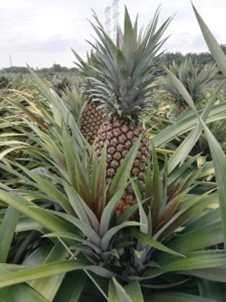
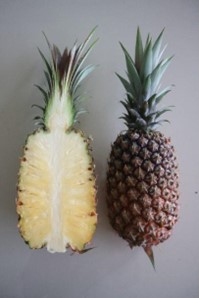
NEW HYBRID PINEAPPLE L1
Fruit weight is higher (1.5 kg) compared to Josapine (1.2 kg). Cylindrical in shape with yellowish flesh color and high dissolved solids content (15 - 21% Brix) with moderate acid (0.5%). Sweet, aromatic fruit, soft flesh texture and somewhat crunchy pulp and less bitter taste.NEW PINEAPPLE HYBRID MS16
Launched on 17 December 2023 at MARDI Pontian, Johor. Average weight 1.5 kg and potential to produce up to 48 t/ha. High production of planting material, more than five vines at a time and tolerant to bacterial core rot disease. High sweetness value of 16 - 21% Brix, yellow flesh, less bitter taste, crispy texture, aromatic, less bitter and suitable for fresh eating.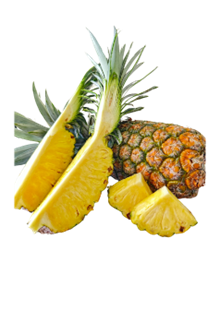
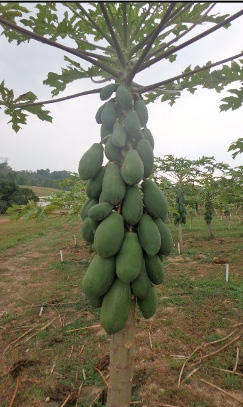

TOLERICA: PAPAYA TOLERANT TO DEADLY DROP DISEASE
Tolerant to dead leaf disease, yield three times higher than Exotic (60 - 90 t/ha), fruit weight 1.1 - 1.3 kg, TSS sweetness level 12-13% Brix, first fruit height 70 - 80 cm from the ground and first harvest period is nine months from the date of sowing seeds.NEW RAMBUTAN CLONE RED PEARL
Weighs 35.7 g and has 53.5% yield. Ripens 2 - 3 weeks earlier than the R191 variety. This variety was declared in 2018.

NEW MUTIARA WANGI RAMBUTAN CLONE
Oval shape, dark red skin, green hairs, larger fruit compared to Mutiara Merah which weighs 37.2 g, more aromatic and semi-solid flesh. Yield 26.2 kg per plant, which is far more than R191 which is only 18.5 kg per plant.NEW MANGO VARIETY WITH RED SKIN
Two varieties were developed. SB019 has dark red skin and orange flesh, medium fruit size (250 - 350 g), oval shape and sweet taste with Brix 18 - 21%. High yield, bears fruit every year, free from IFR and is a semi-dwarf tree.
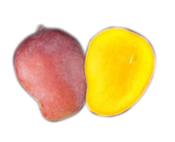
SB019SB003 has bright red skin and orange flesh, marketable fruit size (350 - 450 g), sweet and slightly sour taste with Brix 18 - 20%. Fragrant, rich in vitamin C, high yield, bears fruit every tofu and is free from the problem of incident fruit rot (IFR). 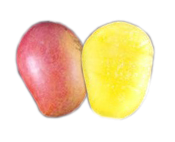
SB003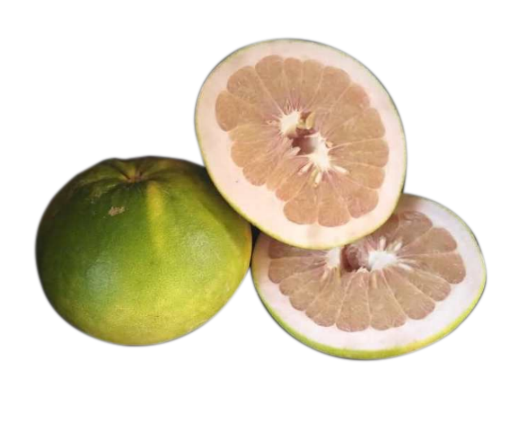
2KRP7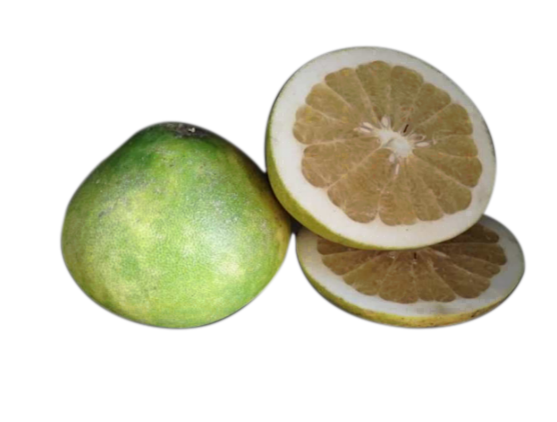 3KRP4
3KRP4NEW POMELO CLONES MUTANT 2KRP7 AND 3KRP4
2KRP7 is a sweet fruit category (9 - 11% Brix) and 3KRP4 is a sweet and sour fruit (10 - 12% Brix). The acid content is low compared to commercial clones, which is 0.15 - 0.16% for 2KRP7 and 0.66 - 0.73% for 3KRP4. The juice content of both clones is between 262 - 315 mL with a high vitamin C content of between 45 - 52 mg/100 g. The fruit weight is 1.2 - 1.7 kg and produces a high yield of between 257 - 371 kg/tree/year. The color of the cloves is pink (2KRP7) and yellow (3KRP4) and does not have a bitter/pungent taste. Meanwhile, the trees do not have thorns and are found to be lower compared to commercial clones.
PINEAPPLE LEAF SEEDLING TECHNOLOGY
Mass production of 30 - 40 new planting materials from one parent plant, not affected by climate change due to the efficiency of the self-irrigated propagation chamber system (reduces post-harvest losses <4%), 100% pure due to 0% somaclonal variation, short seedling stage period of 3 - 4 months, low production cost (RM0.10 - RM0.30).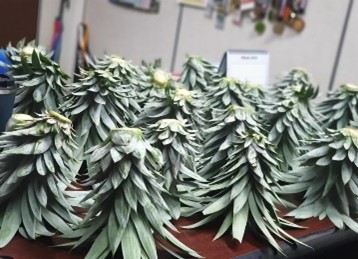

Pineapple crest MD2 Chamber stem irrigation propagation 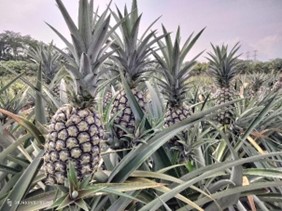 MS16 pineapple fruit on the ground
  Fertilizer mixture of urea and potassium
 OPTIMUM FERTILIZER FORMULATION FOR PINEAPPLE MS16 IN PEAT SOIL
Single fertilizers Urea (46% N), Triple Super Phosphate (46% P 2 O 5 ) and Potassium Sulphate (K 2 SO 4 50% K 2 O) are mixed and supplied throughout the vegetative period. Savings in fertilizer costs of up to 20% compared to fertilizing pineapples using NPK compound fertilizers.
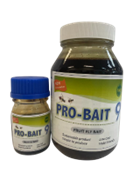
NEW PROTEIN FEED FOR FRUIT FLY CONTROL
Effective, cost-effective, easy to produce, sustainable, environmentally friendly with a long shelf life for fruit fly control comparable to commercial products. The shelf life of the formulation extends to more than 12 months after production in terms of bait attraction effectiveness. This product is also specific to fruit flies only and does not disturb non-target beneficial insects.

Produk pemprosesan minimum buah-buahan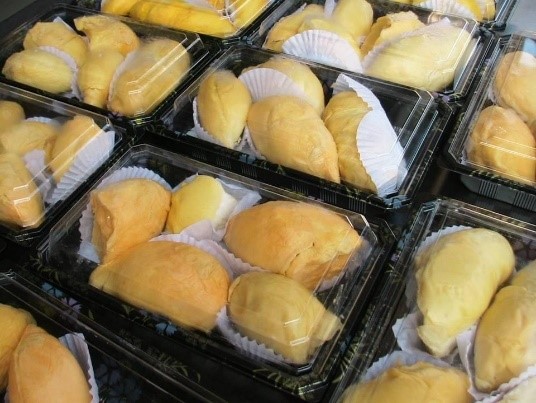
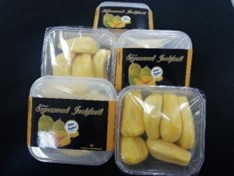
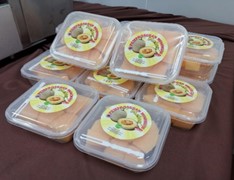
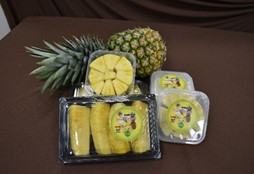
MINIMUM PROCESSING TECHNOLOGY OF FRUITS
The shelf life of minimum processed fruit products is between 2 - 3 weeks at a temperature of 2 °C. Among the products that have been successfully developed are pineapple, jackfruit, durian and melon. The technology is ready to be transferred as a public good to the industry.FRUIT COATING TECHNOLOGY
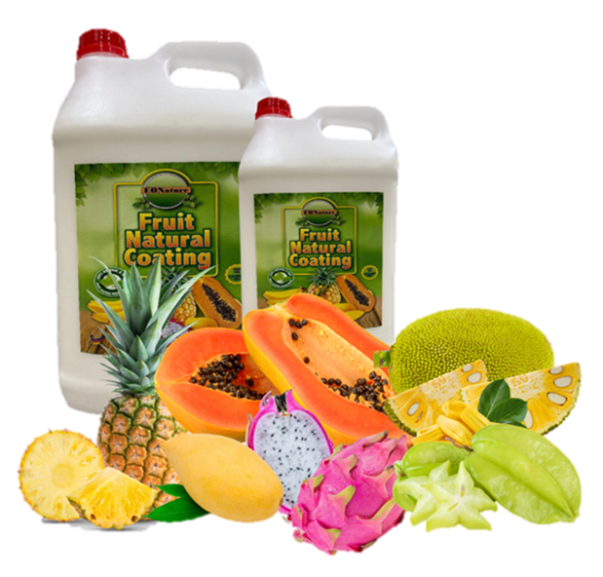
Extends the storage life of mango, papaya, pineapple and pitahaya (4 - 5 weeks) at a temperature of 10 - 13 °C. Slows down the ripening process, changes in fruit skin colour, reduces weight loss and controls disease as well as beautifies the exterior of fruit skin (fresh and shiny).
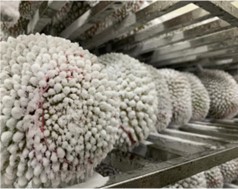
Musang King durian looks like it
has been cryogenically frozenFrozen durian products DURIAN CRYOGENIC FREEZING TECHNOLOGY PACKAGE FOR EXPORT
Musang King durian is frozen using cryogenic freezing to produce frozen durian in seed form for export markets. This technology package includes recommended sanitation treatments for food safety and quarantine pest-free.
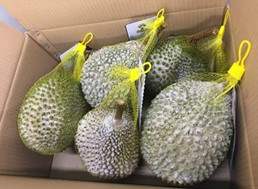
LOW TEMPERATURE COMBINATION TECHNOLOGY AND PACKAGING FOR EXTENDED SHELF LIFE OF FRESH DURIAN
Storing fresh Musang King durian at 5 °C with low-density polyethylene (LDPE) plastic packaging can maintain the optimum quality of fresh durian for up to 21 days. The technology is ready to be transferred as a public good to fruit exporters
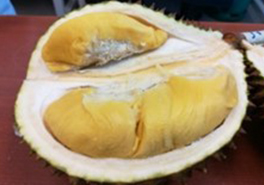


Fresh durian packaging uses low-density polyethylene (LDPE) plastic with a thickness of 0.04 mm and good retention of clove quality.
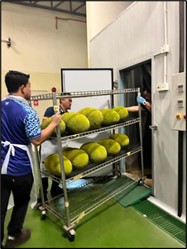
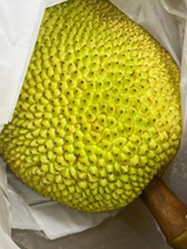
Induction of fruit ripening using ethylene gas to
obtain uniform ripening of jackfruit J33Storage of J33 jackfruit
induced to ripen at suboptimal temperaturesSUBOPTIMUM TEMPERATURE STORAGE TECHNIQUES FOR EXTENDED SHELF LIFE OF FRESH JANGA
Induction technique with ethylene ripening agent stored at suboptimal temperatures as low as 2 °C for J33 Jackfruit. This technique allows J33 to be stored for three weeks (incidence of rot less than 10% and fruit sweetness remains 22 - 24%). This technology is ready to be transferred as a public good to jackfruit exporters.
CRYOGENIC FREEZING TECHNOLOGY FOR JANGA FRUIT FOR EXPORT
Cryogenic freezing process for jackfruit in single fruit form; 4 hours at -80 °C to ensure the core temperature of the fruit (14.5 kg) reaches -18 °C. Slow thawing technique at 10 °C overnight (15 hours), helps control the discoloration of the jackfruit pulp and maintain the firmness of the jackfruit cloves. Can be stored for up to six months at -18 °C. With a long shelf life, jackfruit can be exported to further overseas markets by sea.
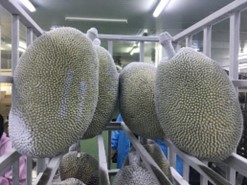
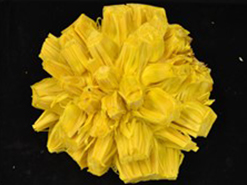
The appearance of jackfruit that has been
cryogenically frozen.The quality of jackfruit slices after defrosting.
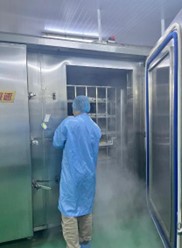
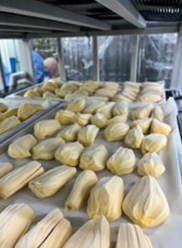
The process of cryogenically freezing jackfruit cloves.
JANGA FREEZING TECHNIQUE FOR EXPORT MARKET
Suitable for long-distance shipping without affecting the quality of the fruit for six months. The long storage period allows frozen jackfruit products to be marketed in more distant markets and reduces post-harvest losses and dumping problems in the jackfruit industry.
SURFACE COATING TECHNOLOGY FOR JANGA EXPORT TO CHINA
Standard operating procedures with fruit coating treatment for exporting fresh jackfruit to China successfully maintained the quality of J33 which is considered premium in China. The quality of the jackfruit was still maintained even after two weeks of shipment to China.
 EONature coated fruit
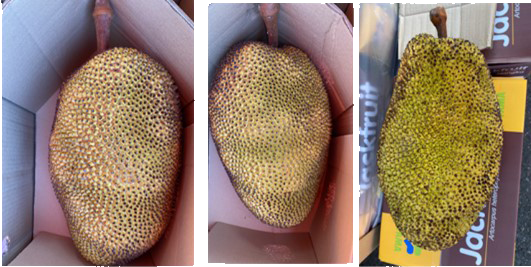 Fruit without coating External quality of EONature coated jackfruit (left) and without coating (right) in China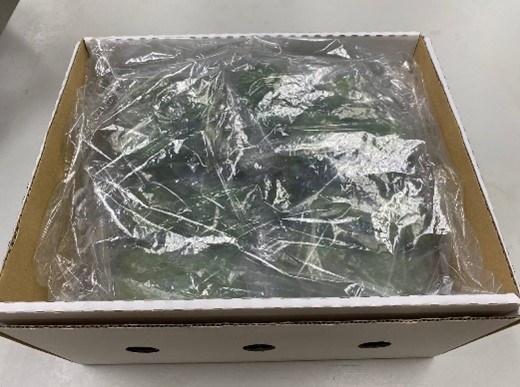
Papaya in modified atmosphere packaging (MAP)COMBINATION OF TEMPERATURE PRECONDITIONING TECHNIQUES AND MAP PACKAGING FOR EXTENDING THE STORAGE LIFE OF FRESH PAPAYA
The combination of temperature preconditioning and MAP maintained papaya quality under storage at suboptimal temperatures as low as 7 °C without the problem of chilling injury, with a longer shelf life (four weeks) compared to only two weeks for conventional handling techniques.
-
VEGETABLES
NEW VARIETIES OF RED ONION BAW-1, BAW-2 AND BAW-3
Can adapt to lowland cultivation areas, namely mineral soil, BRIS and peat based on key selection criteria such as availability of planting material, size that meets local market demand, good quality, high yield and tolerance to insect pests and diseases.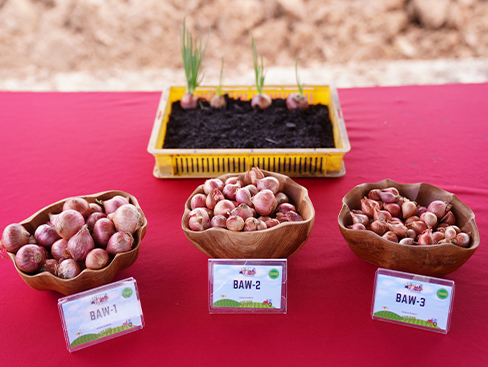
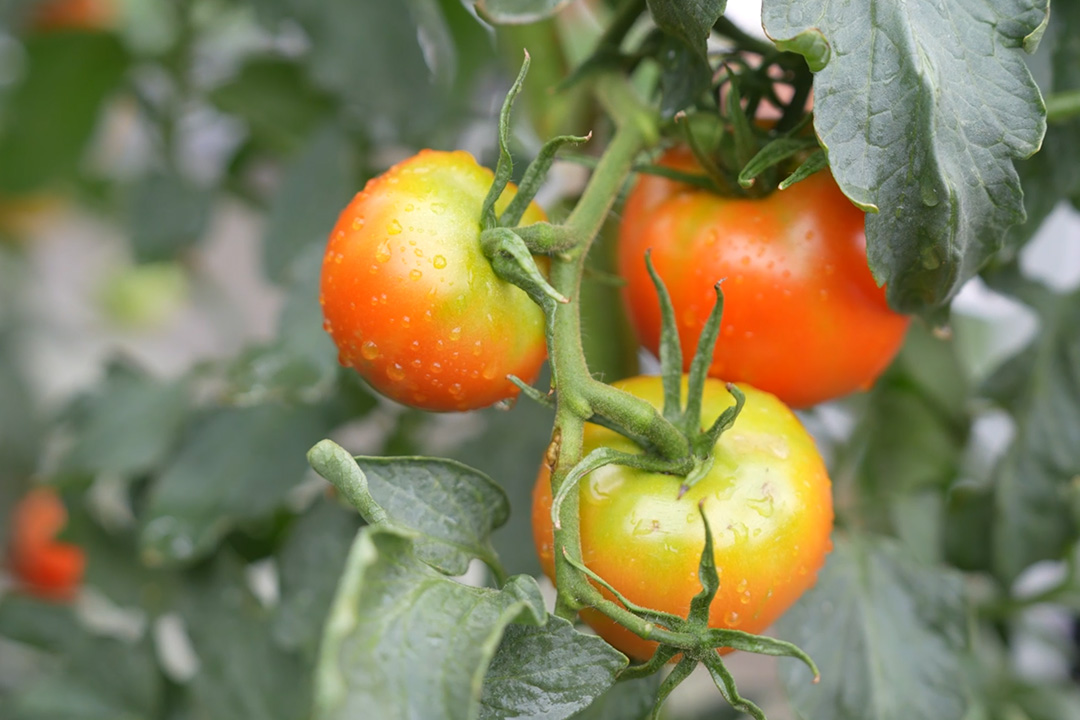
Diskripsi teknologi tomato MAHA 18
TOMATO MAHA 18
Average yield is close to 3 kg/tree, red and attractive fruit, has a high antioxidant content of 7 mg/100 g fresh weight. The fruit size is small, comparable to the commercial variety of MTI lowland tomatoes. This tomato is also tolerant to bacterial wilt disease with a survival rate of over 93%. This variety was launched in 2018 at Laman Sayur in conjunction with MAHA 2018.CHILI MARDI
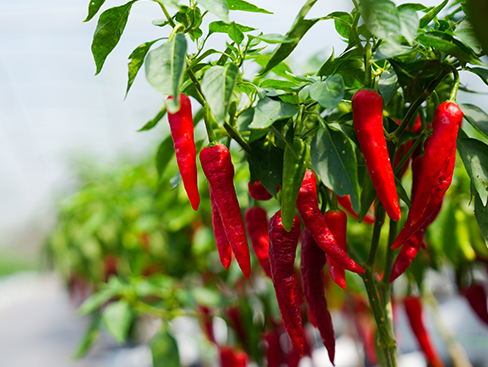
Large, non-shiny fruit measuring 13 - 16 cm long, 16 - 19 g in weight and 2 - 3 cm in diameter. Yield potential can reach up to 2.5 kg per tree per crop cycle (20 - 30 t/ha) and is resistant to anthracnose disease.
Performance evaluation of sweet corn hybrids.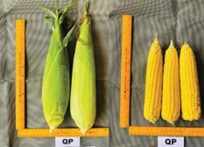
Potential sweet corn hybrid.NEW SWEET CORN HYBRID
Average plant height 200 cm, harvest 66 days after planting, average cob weight 400 g and sweetness level, Total Soluble Solid (TSS) 17.53% Brix with low incidence of leaf blight (<25%: moderately resistant ).ADAPTATION OF BENGAL CHILI VARIETIES IN LOWLANDS
The CL44 variety has potential for cultivation in lowlands and is resistant to weather up to 35 °C. This variety gives a yield of more than 1,000 g per plant and a fruit weight of more than 100 g per fruit. Lowland Bengal chillies are suitable for cultivation using fertigation and in rain-protected structures to ensure quality production.
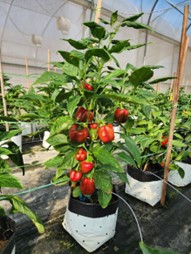
Bengal chili plants planted in lowlands
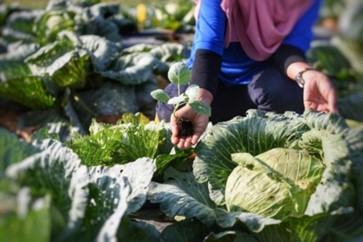
Healthy seedlings aged 25 - 30 days with 3 - 5
leaves are transferred to the field according to the plant spacing.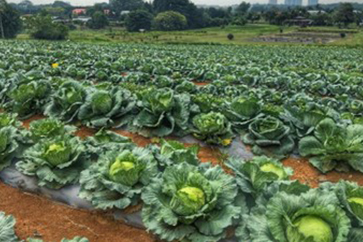 Round cabbage that is mature and ready
to harvest 75 - 85 days after being transferred to the fieldLOWLAND ROUND CABBAGE PRODUCTION TECHNOLOGY
The package includes the use of appropriate varieties/hybrids, effective agronomic practices, fertilizer application, integrated pest management strategies and post-harvest handling techniques to achieve high quality and yield. Expected crop yields are between 26 - 30 t/ha, with an average weight of 1.5 kg/seed.TECHNOLOGY FOR CAULIFLOWER CABBAGE PRODUCTION
A technology package involving breeding (screening and performance evaluation of cauliflower hybrids for lowland cultivation), agronomy, post-harvest handling and economics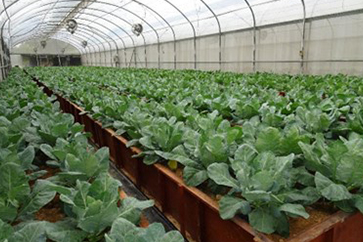
Cauliflower is planted using the recommended planting boxes.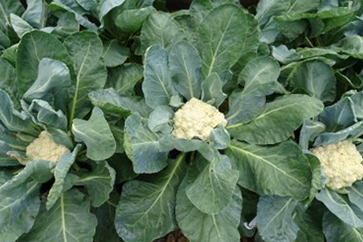
Cauliflower is ready to harvest on the 75th day after planting.
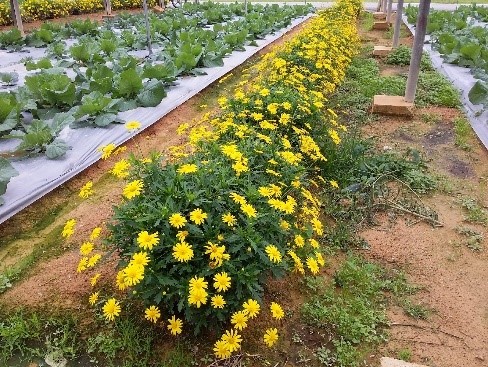
Planting chives and flowers using the push-pull strategy

Mass breeding of biological control agents at MARDI Cameron Highlands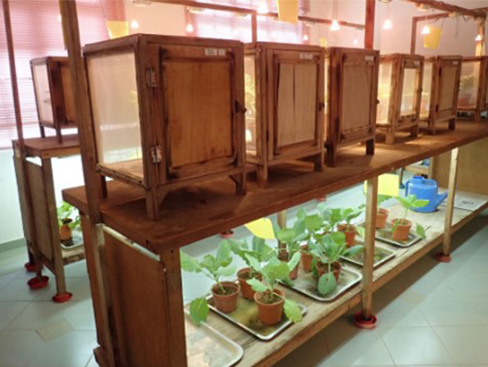
Multi Virus Biopesticide Technology developed by MARDI for Lepidoptera pest controlIPM PACKAGE FOR ROUND CABBAGE PEST CONTROL
Application of IPM components for the control of Plutella caterpillars in highland areas (regu crops, use of multi virus biopesticides, mass breeding of Diadegma semiclausum and Cotesia vestalis biological control agents , commercial biological poison spray ( Bacillus thuringiensis ).PRODUCTION OF TOMATO PLANT MATERIALS LOW SOIL TOLERANCE TO BACTERIAL WILD
Tube grafting between tomatoes and eggplants is used to increase plant resistance to bacterial wilt disease. It provides a rapid alternative approach to conventional breeding, focusing on developing plant-specific resistance traits without changing the overall genetics of the plant.
 Tube grafting method between tomato and eggplant seedlings
 Fruit from grafted trees on the 91st day after planting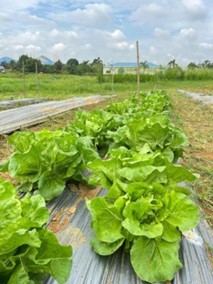
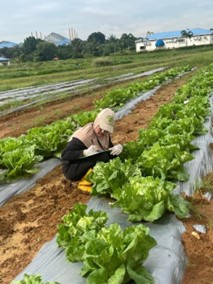
INTEGRATED AND ENVIRONMENTALLY FRIENDLY PEST AND DISEASE MANAGEMENT OF LOW-GROUND CHINESE CABBAGE CROP
An alternative to pest management methods that is more effective, practical, cost-effective, environmentally friendly and safe to eat by reducing the use of chemical pesticides.IPM PACKAGE FOR RED ONION PEST AND DISEASE CONTROL IN LOWLANDS
IPM components include application of beneficial fungi Trichoderma , Bacillus subtilis , regular monitoring, cultural control by removing and destroying infected plants to slow the spread of the disease in the field. In addition, other integrated components include spraying commercial biological pesticides ( Bacillus thuringiensis ), and spraying chemical pesticides as recommended.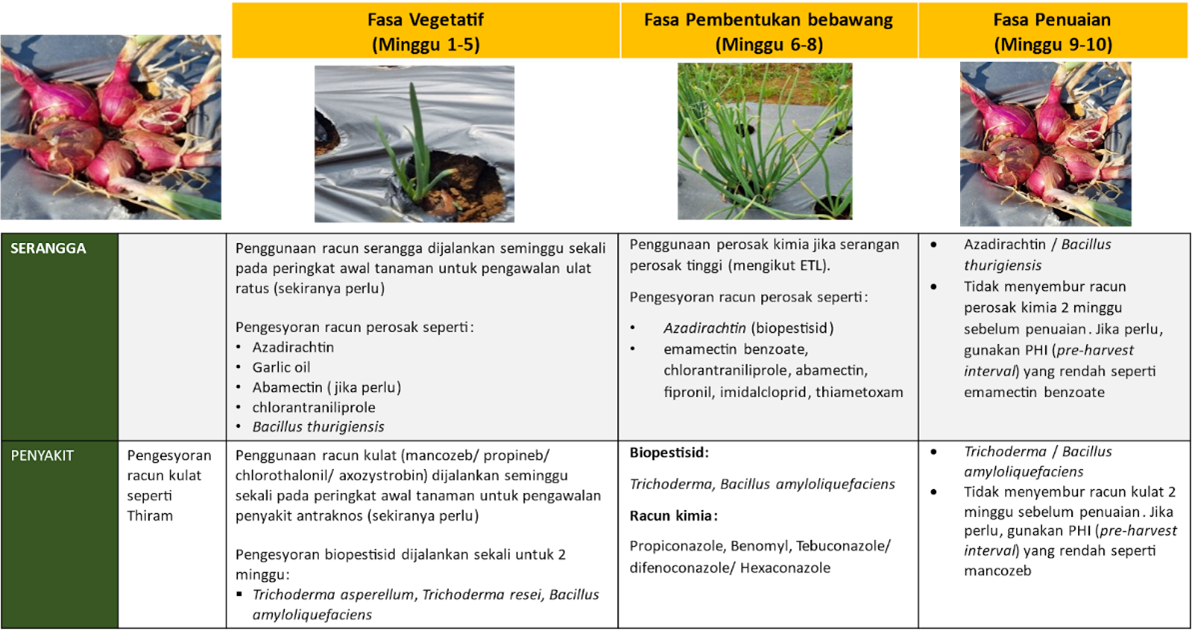
Proposed recommendations for control using pesticides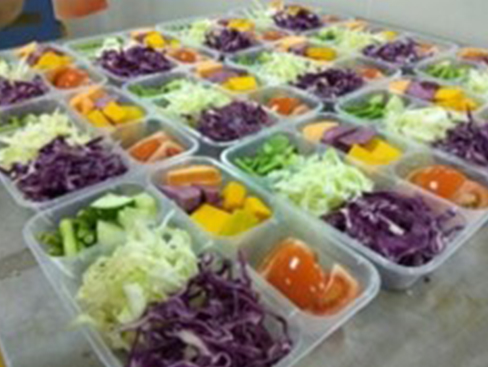

Minimally processed vegetable products MINIMUM PROCESSING TECHNOLOGY OF VEGETABLES
The shelf life of minimally processed vegetable products is between 2 - 3 weeks at a temperature of 2 °C. Among the MP products that have been successfully developed are cabbage, chilli, mustard, young jackfruit, shallots and garlic.
POST-HARVEST HANDLING TECHNOLOGY FOR RED ONION
Using a solar drying room with a temperature of 30 - 32 °C and RH 65 - 70% for three days. After the drying process, the shallots are tied in bunches or bundles and can be marketed immediately. Long-term storage period is stored in a storage room at ambient temperature
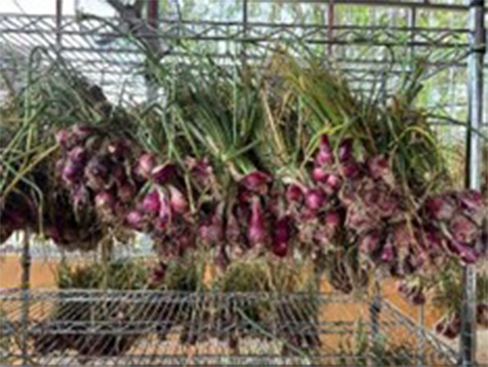

The process of drying shallots
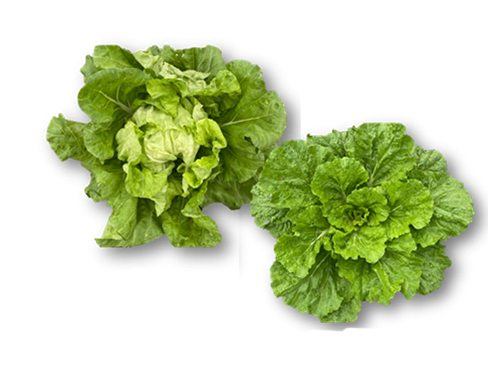
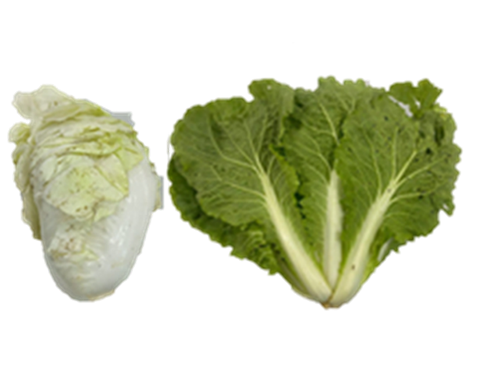
Chinese cabbage is ready to harvest
Chinese cabbage after grilling
POST-HARVEST HANDLING TECHNOLOGY FOR CHINESE CABBAGE
Covers the harvest maturity period for lowland Chinese cabbage of the headed type (K18) and leafy type (K13), selection and roasting, grading, washing and appropriate storage temperatures.
-
URBAN AGRICULTURE
CANOPY STRUCTURE
A multi-purpose support structure system for growing creeping or climbing vegetables and fruits. The structure is equipped with self-watering containers (SWC) that store and distribute water by capillary action to the plants, reducing the need for manual watering and water waste.
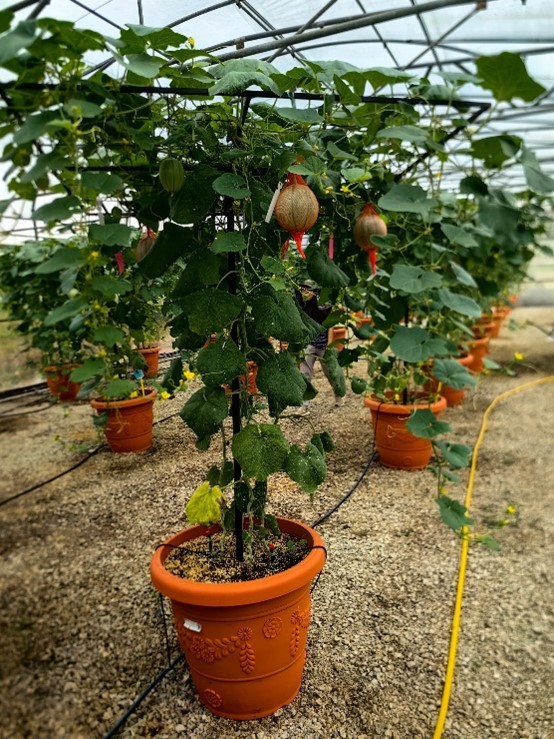

Canopytecture structure that can accommodate
creeping or climbing treesRockmelon fruit yield using the canopy system
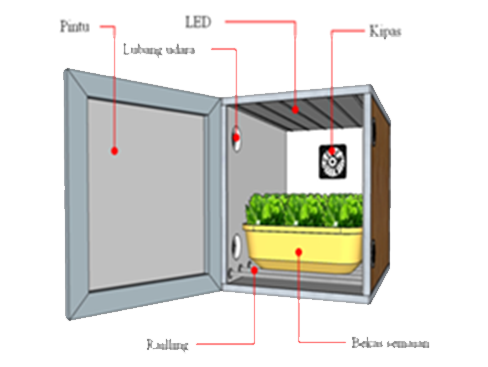

Growing lettuce in a cube-grow that can be continued CUBE-GROW
Vegetable growth cube equipped with Light Emitting Diode (LED) lighting source and ventilation system to create a suitable indoor environment. Produces fresh, poison-free, nutritious and safe to eat vegetables. Suitable for growing leafy vegetables such as mustard, spinach, kailan and also microgreens .
EZGROW™
Planting medium compacted into cubes of various sizes that function as a medium for seed germination and seedling growth, without the need for trays and plastic pots. This technology has the potential to produce good, quality and efficient seedlings (transplants) for the production of vegetables, flowers, herbs and cuttings.
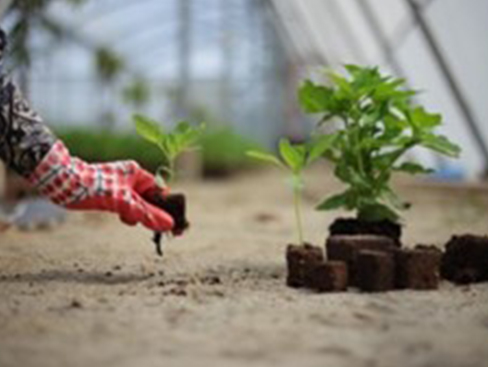
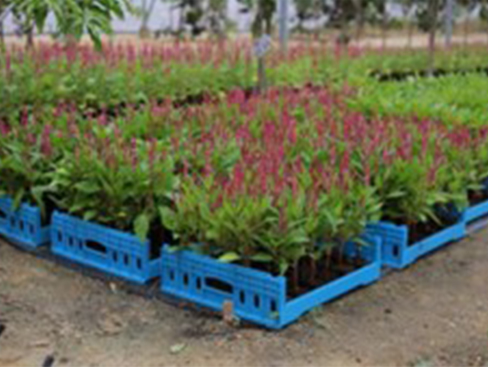
Transformation of vegetable, herb, cutting and flower seedling production systems from conventional to EZGROW™
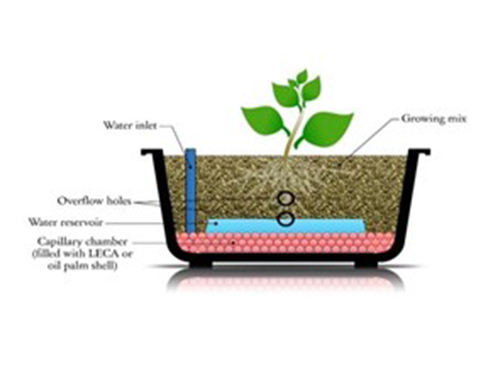
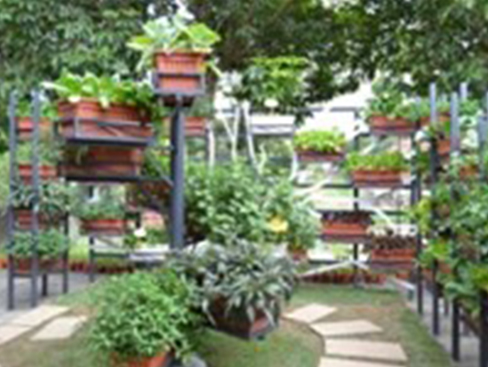
Greenkit Concept Greenkit which grows various vegetables, herbs and spices GREENKIT
Overcoming the problem of watering that needs to be done every day for salad, herb and vegetable plants. Consists of a plastic reservoir divided into two separate compartments, namely a water reservoir at the bottom and a planting tank containing the planting medium at the top.
ADVANCED NUTRIENT FILM TECHNIQUE (NFT) HYDROPONICS
A mini model hydroponic system using the Nutrient Film Technique (NFT) that is equipped with LED lighting for indoor cultivation . This model is portable and suitable for home gardening.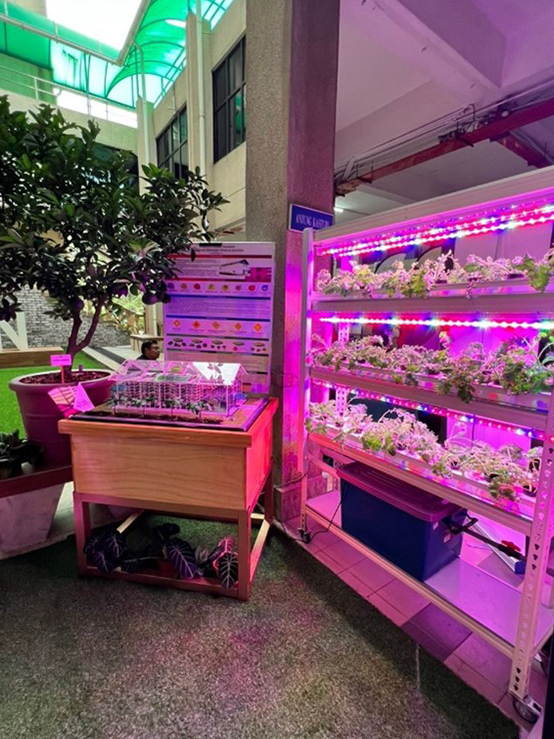

Thin Flow Technique ( Nutrient Film Technique-NFT ) is equipped with an irrigation system and LED lighting
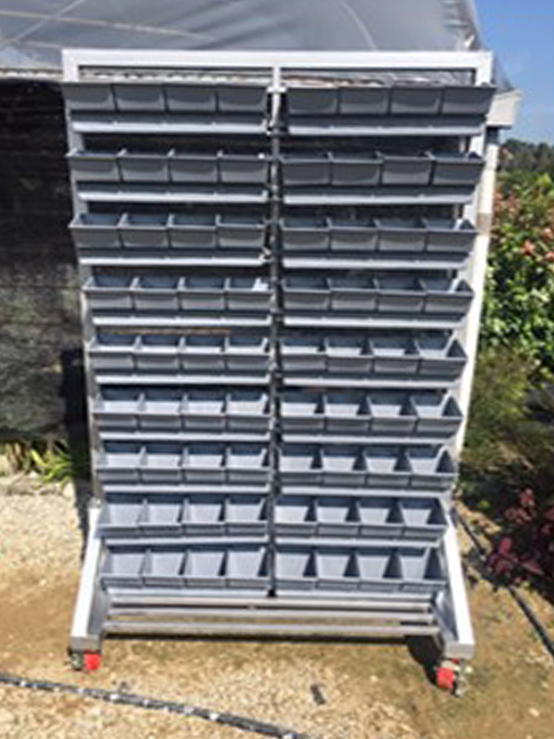

Vertiplanter™ system with ornamental plants
SELF-WATERING CONTAINER (SWC)
Solves the problem of water management and energy consumption in vertical planting by using the self-watering method . Can be applied versatilely ; planting in limited spaces, able to lower environmental temperatures and suitable for indoors without installation problems and dirt.
PLANT FACTORY
An intensive and consistent crop production system in a closed and controlled structure where all plant growth factors such as light, temperature, carbon dioxide, air humidity, nutrients, water and airflow are controlled and monitored. This technology requires no soil, is free from disease threats, has a clean growing environment, uses water and fertilizers efficiently, produces fresh and nutritious produce, is clean and safe to eat, is 100% pesticide free and increases productivity 4 - 10 times.

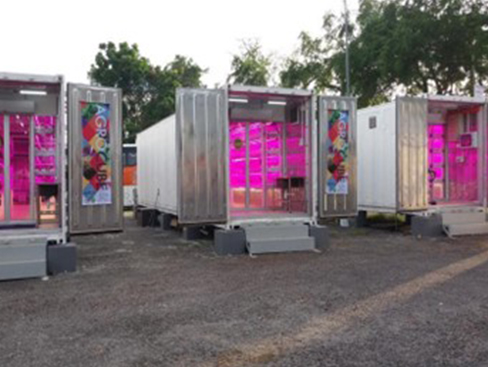
Warehouse scale plant factory model and container plant factory at MARDI
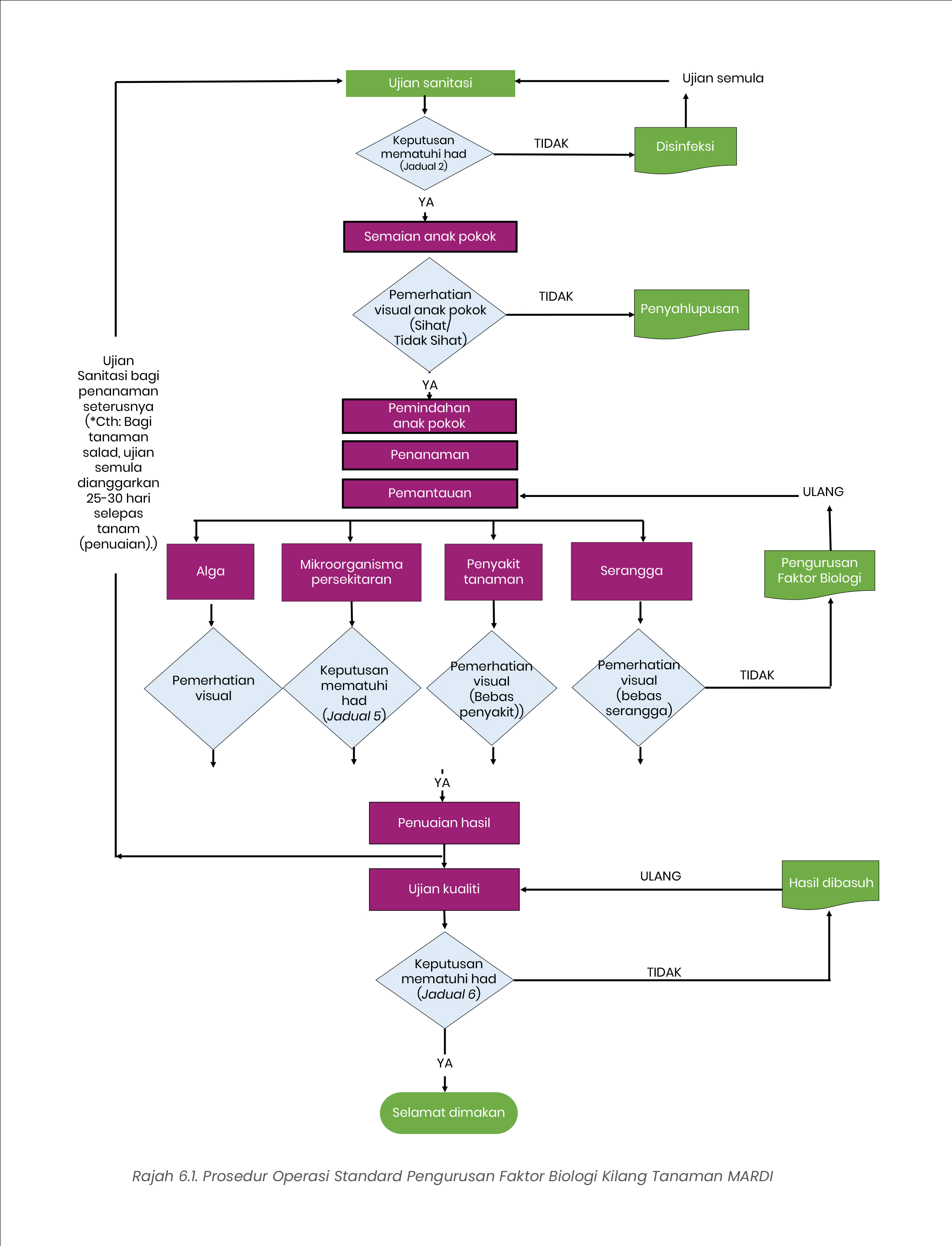
MARDI Plant Plant Biological Factor Management SOP that has been developed

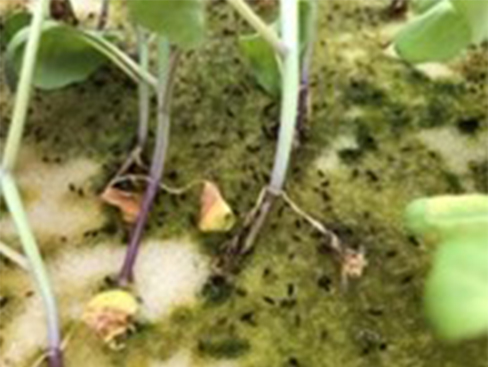
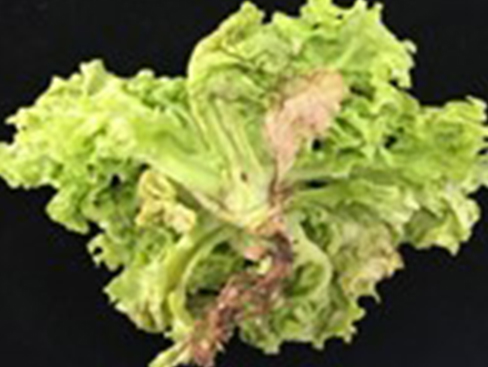
Biological factors of plant factories consist of algae, insects and microorganisms. MANAGEMENT OF BIOLOGICAL FACTORS OF PLANT PLANTS
There are several biological factors involving contamination by algae, microorganisms and insects that need to be controlled. SOPs have been developed to manage these biological factors to a low level.
-
ORNAMENTAL PLANTS
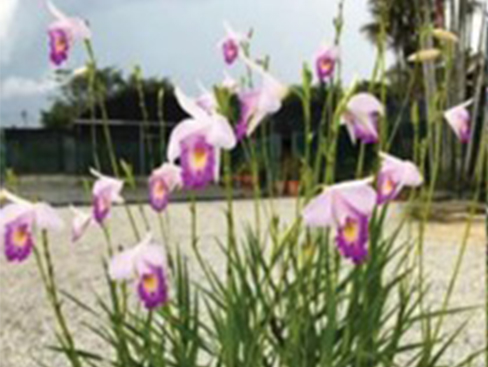
ARUNDINA SOLAR ORCHID NEW HYBRID
Released on 2 December 2017. Semi-miniature type, can grow up to 60 cm tall, heat tolerant and very prolific. Flowers are white to pink, medium sized, 5 - 6 cm wide and 4 - 5 cm long.
Arundina Suria 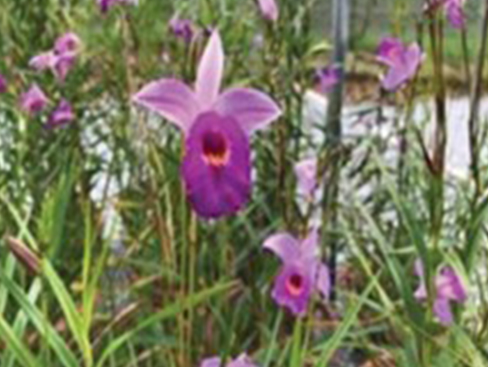
Arundina MentariNEW HYBRID ORCHID ARUNDINA MENTARI
Launched on 2 December 2017. Resistant to hot weather, produces flowers all year round and is dark purple in colour. The flower lifespan is three days, but the high density of flowers on the branches means that the flowers are in bloom all the time.TRICHOVANDA ORCHID MARDI
Produces 6 - 8 fragrant flowers on each stalk (about 30 cm long), blooms five times a year. The average size of the flower is 6.5 cm horizontally and 6 cm vertically. The flowers are yellowish green with brown spots, can last for 33 days, heat tolerant, blooms when the plant reaches about 33 cm in height and is suitable for use as a potted ornamental orchid.
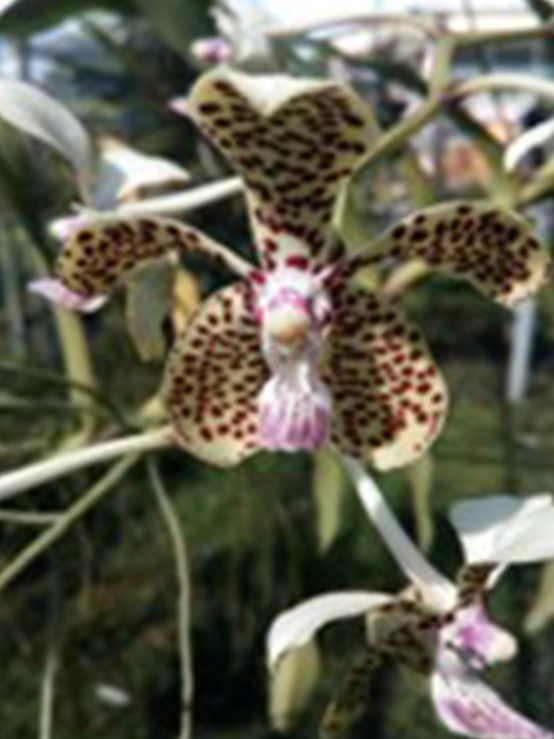
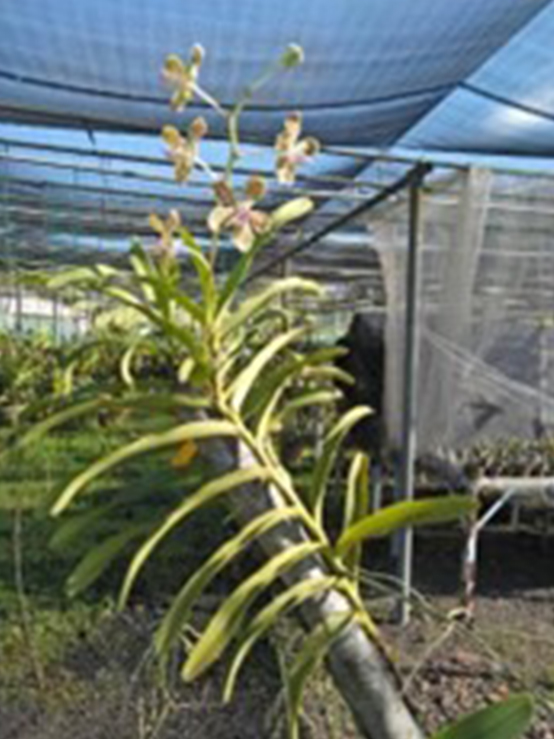
The flowers of Trichovanda MARDI are yellowish green with brown spots and have a fragrant smell.
The Trichovanda MARDI orchid tree is heat-resistant and can flower up to 5 times a year.
 A commercialized multispecies formulation
MULTISPECIES
Produce new plant communities, conserve biodiversity, increase the aesthetic value of the garden, facilitate plant maintenance and preserve the garden landscape. Technology can provide a naturalistic impact, namely the plant community looks unique and natural, colorful impact, dynamic landscape and a seasonal flower plant community that is more sustainable in the long term. Through the mixed planting method, the ornamental plant community can produce flowers over a long period and with less maintenance.BREEDING TECHNOLOGY OF ORNAMENTAL PLANTS
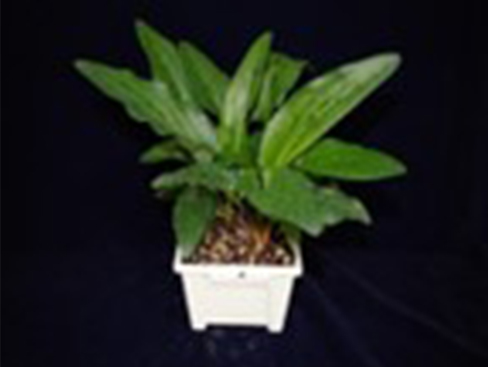
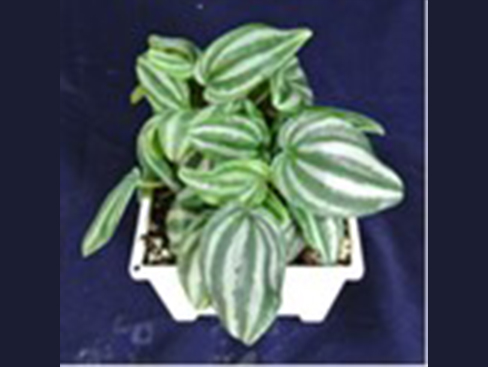
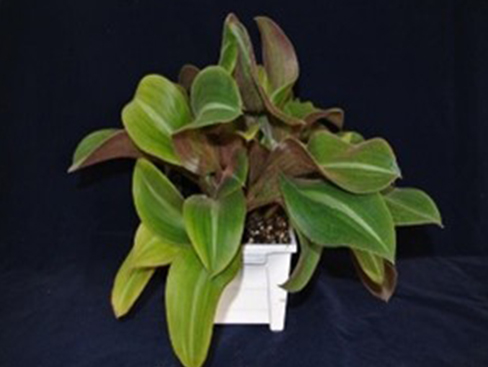
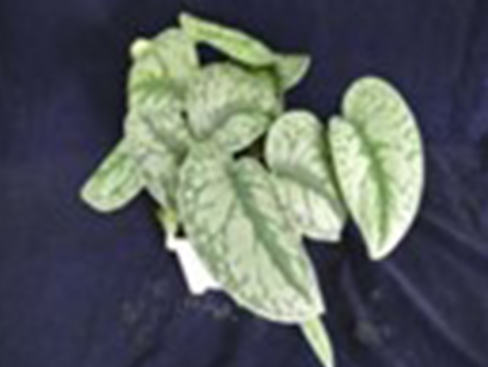
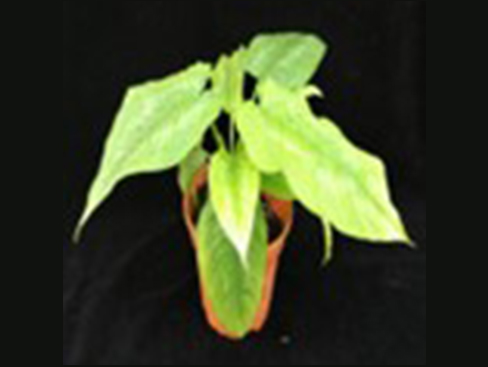
The ornamental plants screened by MARDI are Peperomia puteolata , Schismatoglottis calyptrata , Scindapsus pictus, Piper porphyrophyllu, Ledebouria socialis var pauciflora, Ledebouria petiolata, Peperomia argyrei, Tradescantia sp., Alocasia reginula and Eugenia sp.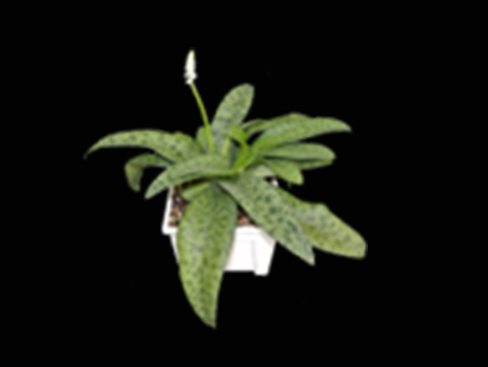


Publications
- Suhana, S., Ahmad Hafiz, B., Noor Baiti, A.A., Razali, M., Rozita, M.Y. and Zawiyah, P. (2020). Potensi dan strategi pemasaran belimbing hibrid baharu MARDI MSTAR 1 @ BINTANG MAS). Buletin Teknologi MARDI 19: 191-201
- Nasir, K.H., Yusof, M.F.M., Firdaus, M.S., Jantan, S.Z., Moktar, M.F.M., Ibrahim, S.N., Aziz, N.B.A. and Ying, J.C.L. (2019). Development of starfruit simple sequence repeat (SSR) using next generation sequencing. Journal of Food Science and Engineering 9: 95-121
- Mohd Azhar, H., Johari, S., Nur Sulastri, J., Razali, M., Muhammad Zulfa, M.R., Noor Faimah, G. and Mariatulqabtiah, A.R. (2020). Field performance of selected papaya hybrids for tolerance to dieback disease. Journal of Tropical Agriculture and Food Science 48(1): 25-33
- Ab Razak, S., Md Radzuan, S., Mohamed, N., Nor Azman, N. H. E., Abd Majid, A. M., Ismail, S. N., Sarip, J. and Nasir, K. H. (2020). Development of novel microsatellite markers using RAD sequencing technology for diversity assessment of rambutan (Nephelium lappaceum L.) germplasm. Heliyon. 6(9)
- Joanna, C. L. Y., Nurul Shamimi, A.G., Norsyuhaida, A.S., Wan Mohd Reza Ikwan, W.H., Mohamad Fikkri, A.H., Nur Izzati, M. and Mohamad Abhar, A. H. 2020. Maturity stage at harvest affects physicochemical quality of MS16 pineapple. The International Journal of Agriculture, Forestry and Plantation (IJAFP), Vol 10. Pg 84-88. ISSN 2462-1757
- Nur Azlin Razali, Wan Mahfuzah Wan Ibrahim, Siti Aisyah Abdullah,Suhana Safari dan Razali Mustaffa. (2020). Pakej Teknologi Bagi Pengeksportan Durian Sejuk Beku Dalam Bentuk Biji Menggunakan Kaedah Pembekuan Kriogenik. Buletin Teknol. Tanaman. MARDI 2020, Bil 22.
- Nur Azlin, R.*, Nurul Khdijah, R., Farah ‘Aqila, H., Siti Aisyah, and Wan Mohd Reza Ikwan, W.H. (2020). Optimum temperature for storage of mature drop Malaysian durian (Durio zibethinus cv. Musang King). International Journal of Agriculture, Forestry and Plantation (IJAFP) ISSN: 2462-1757, Vol 10, 268-273.
- Nur Azlin, R., Nurul Khdijah, R., Farah ‘Aqila, H., Siti Aisyah, A. and Wan Mohd Reza Ikwan, W.H. (2020). Package technology for exporting premium whole ‘Musang King’ durian by cryogenic freezing. Proceeding 9th Kuala Lumpur International Agriculture, Forestry and Plantation Conference (KLIAFP9), 21-22 September 2020. Bangi Resort Hotel, Bangi, Malaysia. e-ISSN 2682-8758, pp 27-34.
- Siti Aisyah A., Razali M., Mohd Kamal M.T., Shamsudin O., Norsyafiqah R.,Nur Azlin R., Nur Syafini G., Nurul Khdijah R., Siti Ilyani A., Nur Hidayah S., and Siti Khuzaimah T. (2020). Thawing Techniques of Frozen Whole Fruit Durian (Durio zibethinus cv. Musang King) eISSN 2600-9595. Trans. Malaysian Soc. Plant Physiol. 27. 131-133.
- Suhana, O., Norfadzilah, A. F., Salmiah, M. dan Mohd Isa, D. (2016). L5: Varieti cili baharu yang berhasil tinggi. Buletin Teknologi, MARDI, Bil. 10(2016): 143-149
- O. Suhana, R. Melor and A.F. Norfadzilah (2016). Yield performance and stability of new promising chilli genotypes over different agro-ecological environments in Malaysia. Acta Hortic. 1127. ISHS 2016. DOI 10.17660/ActaHortic.2016.1127.76 XXIX IHC - Proc. Int. Sym. on Plant Breeding in Horticulture Eds.: N. Onus and A. Currie.
- Suhana O., Norfadzilah A.F., Rozlaily, Z., Nur Adliza, B., Farah Huda, S.S, Farahzety, A.M. Juliana, Y. , Nur Syafini, G., Saiful Bahri, S. and Mohd Zamri, K. 2019. Development of New ChillI Variety for High Yield and Anthracnose Disease Tolerance. Southeast Asia Vegetable Symposium 2019. 9-11 July 2019 Hatten Hotel Melaka. Abstract Book pg 85
- Nor Hazlina, M.S., Sharizan, A., Rozlaily, Z., Sebrina Shahniza, S. (2016). Genetic Variability Studies on Cherry Tomato (Solanum lycopersicum var. Cerasiforme) under Lowland Environment. South East Asia Vegetable Conference 2016 (SEAVEG). 6-8 September 2016. Marriott Hotel. Putrajaya
- Nor Hazlina, M.S., Sharizan, A., Rozlaily, Z. (2016). Penilaian dan Pemilihan Titisan Tomato untuk Tanaman Tanah Rendah, Buletin Teknologi 2016. MARDI
- Nor Hazlina, M.S., Rozlaily, Z., Sebrina Shahniza, S., Nor Afzan R. (2017). Identification of tomato inbred lines for Resistance to Bacterial Wilt under Tropical Environment. 12th Malaysia International Genetics Conference. 25-27 September 2017. Bangi-Putrajaya Hotel, Putrajaya
- Suhana, O. Mohd Zamri, K. and Mohd Isa, D. 2018. Evalution of Selected Bitter Gourd Accessions for Yield and Related Traits. Trans. Malaysian Soc. Plant Physiol. 25. First Published, 2018: 39-40. eISSN 2600-9595.
- Norfadzilah A.F., Suhana O., Rozlaily Z., Farahzety Abd. Mutalib, Nur Syafini Ghazali, Nur Adliza Baharom, Ilias B. Khir, Mohd. Isa Darus, Nur Fatin M.S and Mohd. Raimi A.K. (2019). Growth and Inflorescence Development of Several Cauliflower (Brassica oleracea var. Botrytis L.) Hibrid in Malaysian Environment. Trans Malaysian Soc. Plant Phisiology. 26. 2019. Pg.109-115 eISSN2600-9595.
- Rozlaily, Zainol, (ed.) 2019. Manual Teknologi Penanaman Kubis Bulat Di Tanah Rendah. MARDI. ISBN 978-967-936-677-8.
- Illani Zuraihah Ibrahim, et. Al (2019). Teknologi Penanaman Kubis Bulat di Tanah Rendah secara Organik. Buletin Teknologi MARDI Bil.17 (2019): 55-65
- Ahmad Syafik Suraidi Bin Sulaiman,Mohammad Abid Bin Ahmad, Seri Aishah Binti Hassim, M.S. Azman. Evaluation of Fertilizer Electrical Conductivity (EC) and Temperature Distribution via Vertical Farming System under Plant Factory, Basrah Journal of Agricultural Science
- Puteri Aminatulhawa M.A., Sakinah I., Masnira M.Y., Zulhazmi S. Zainal, M.A., Adib Muhaimin M.S. and Muhammad Hanif, A. (2020). Plant density and planter level of leafy vegetables affected yield and plant components in vertiplanter, self-watering vertical for urban gardening. International Journal of Agriculture, Forestry and Plantation (IJAFP), Vol 10: 224-228 ISSN 2462-1757.
- Ab Kahar Sandrang, Puteri Aminatulhawa Megat Amaddin, Farahzety Abdul Mutalib, Mohammad Abid Ahmad, Hanim Ahmad, Zulhazmi Sayuti dan Mohamad Rais Hasan (2018). Teknologi kiub gambut dalam pengeluaran bahan tanaman. Buletin Teknologi MARDI, Bil. 14: 115 – 123
- Hanim Ahmad, Ab Kahar Sandrang, Puteri Aminatulhawa Megat Amaddin dan Zulhazmi Sayuti (2018). Memaksimumkan impak kepelbagaian bunga dalam landskap menggunakan teknologi kiub gambut. Buletin Teknologi MARDI, Bil. 14: 11 – 16
- Mohd Abid Ahmad, Che Radziah Che Mohd Zain, Ab. Kahar Sandrang dan Farahzety Abd. Mutalib. Air Root Pruning Improves Root Growth Performence of Lettuce (Lactuca stiva L.) Seedling. Transaction of Malaysian society of Plant Physiology Vol.26 (2019).
- Mohamed Hafeifi B, Zulhazmi S., Ab. Kahar S., Puteri Aminatul Hawa M. A., Masnira M., Zaulia, A., Intan Nadhirah M., Mohd Khairil A., Mohd Adib Muhaimin M. S. dan Mohd Yusmizan A. M. (2019). Effect of Multiple Media Combination on Edible Plants in Two Different Type of Capillary for GreenKitTM. Transaction of Malaysian society of Plant Physiology Vol.26
Contact
DIRECTOR
Horticulture Research Centre (HR)
MARDI Headquarters
Telefon : 03-89536260
No.Faks : 03-89536270
- Published on 10 November 2022
- Last modified on 24 November 2025