English
  Bahasa Melayu
 -
BIOLOGICAL CONTROL OF LOCAL BIODIVERSITY
Bumblebee ( HETEROTRIGONA ITAMA)BREEDING PACKAGE
This package was developed to create a chain so that the breeding process for the bumblebee species does not stop at a certain stage, is more sustainable and guarantees the survival of the colony and the quality of the honey produced.

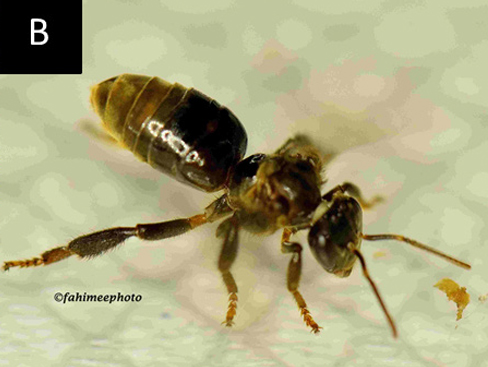
In vitro use of queens in colonies. (A) The queen that is introduced into the colony through the fertilization process. (B) Young queens produced through the in vitro process 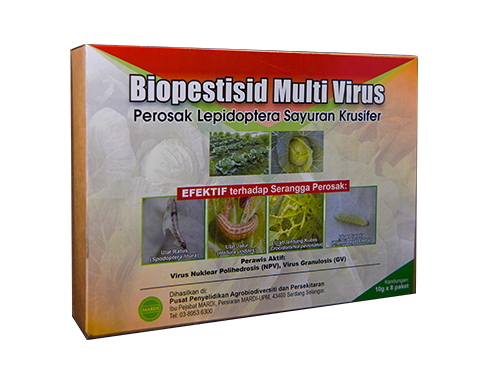
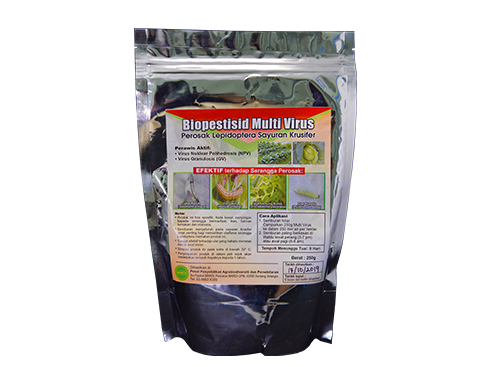
MULTI VIRUS BIOPESTICIDE FOR LEPIDOPTERA PEST CONTROL OF CRUCIFER VEGETABLES
This biopesticide is specifically formulated to control the main Lepidoptera pests of cruciferous vegetables (round cabbage, Chinese cabbage, mustard, kailan, broccoli, and cauliflower), which are centipedes ( Spodoptera litura ), Plutella caterpillars ( Plutella xylostella ), cabbage heartworms ( Crocidolomia pavonana ) and strip caterpillars ( Hellula undalis ).
MASS CULTIVATION OF BIOLOGICAL CONTROL AGENTS DIADEGMA SEMICLAUSUM, COTESIA VESTALIS AND TRICHOGRAMMA CHILONIS FOR THE CONTROL OF MAJOR PLANT PESTS
This technology is specifically for mass cultivation of three types of parasitoids, namely Diadegma semiclausum, Cotesia vestalis and Trichogramma chilonis. These beneficial insects are natural enemies of Lepidoptera pests that attack vegetable and corn crops such as Plutella xylostella , Spodoptera litura and Spodoptera frugiperda . The cultivation of larval stage parasitoids, namely D. semiclausum and C. vestalis, was carried out using larvae of the pest P. xylostella on cabbage seedlings in the laboratory. The cultivation of T. chilonis egg parasitoids was carried out using a mixture of rice husk, rice bran and broken rice as the main food of the host, Corcyra cephalonica.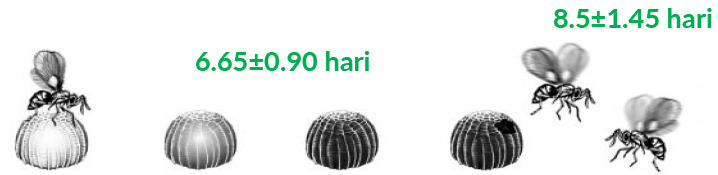
Life cycle of T. chilonis maintained on eggs of C. cephalonica host -
MYGENEBANK™
NATIONAL GENE BANK
The agrobiodiversity gene bank has six main stations, namely Serdang, Jerangau, Seberang Prai, Jelebu, Kemaman and Bintulu. Serdang and Seberang Prai focus on seed gene banks, while the others are developing plantation gene banks. Paddy conservation activities are carried out in Seberang Prai, while herbal, medicinal and traditional crops are in Jerangau. Serdang is also a major centre for the conservation of exotic and native fruits and other agricultural crops. The gene bank collection currently includes 19,315 species and is growing annually.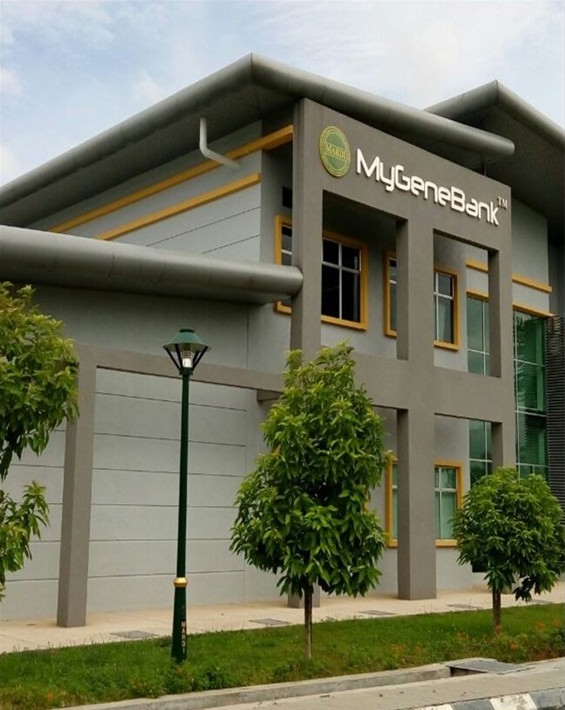
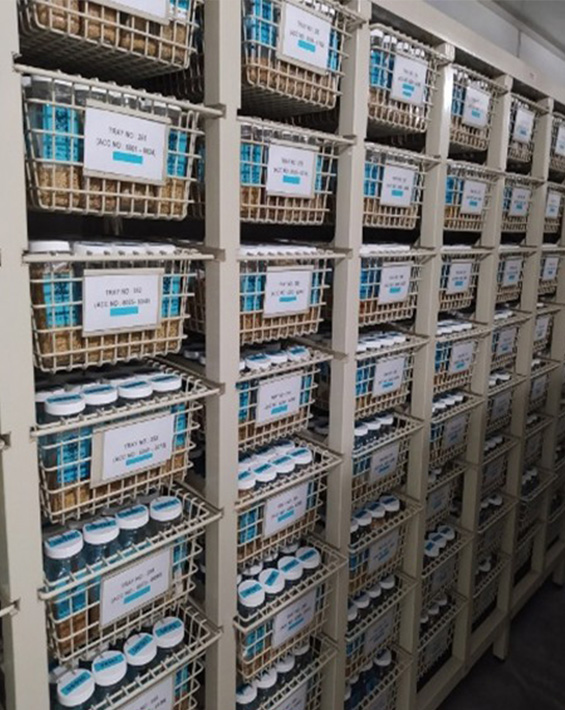
Bank Gen Agromakanan Kebangsaan – Kompleks MyGeneBank™ Bank Gen Padi Kebangsaan di MARDI Seberang Perai
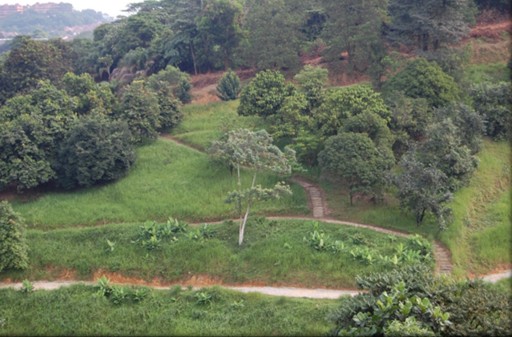
RARE FRUIT GEOPLASMS
Includes elite fruit accessions and fruit conservation collections at MARDI SerdangWILD MANGO UPGRADING PLOT
The plot for upgrading the elite accessions of kuini (Mangifera odorata) involves as many as 5 elite accessions at MARDI Sintok, Kedah.
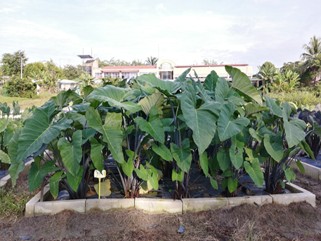
YELLOW YALM GEOPLASMA
The yam (Colocasia esculenta) plant geneaplasm includes the traditional Malaysian yam accessions in MARDI Serdang.WILD AND TRADITIONAL TUMBLE GEOPLASMS
Wild tuber germplasm (Dioscorea, Amorphophallus and Coleus) for potential future food security.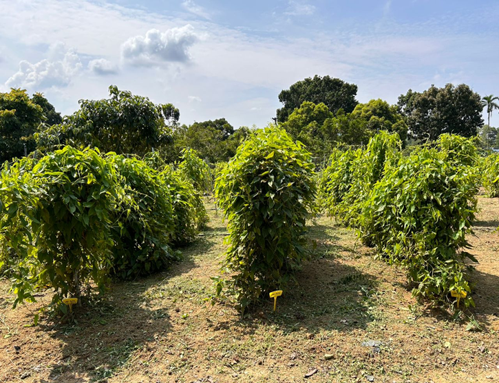
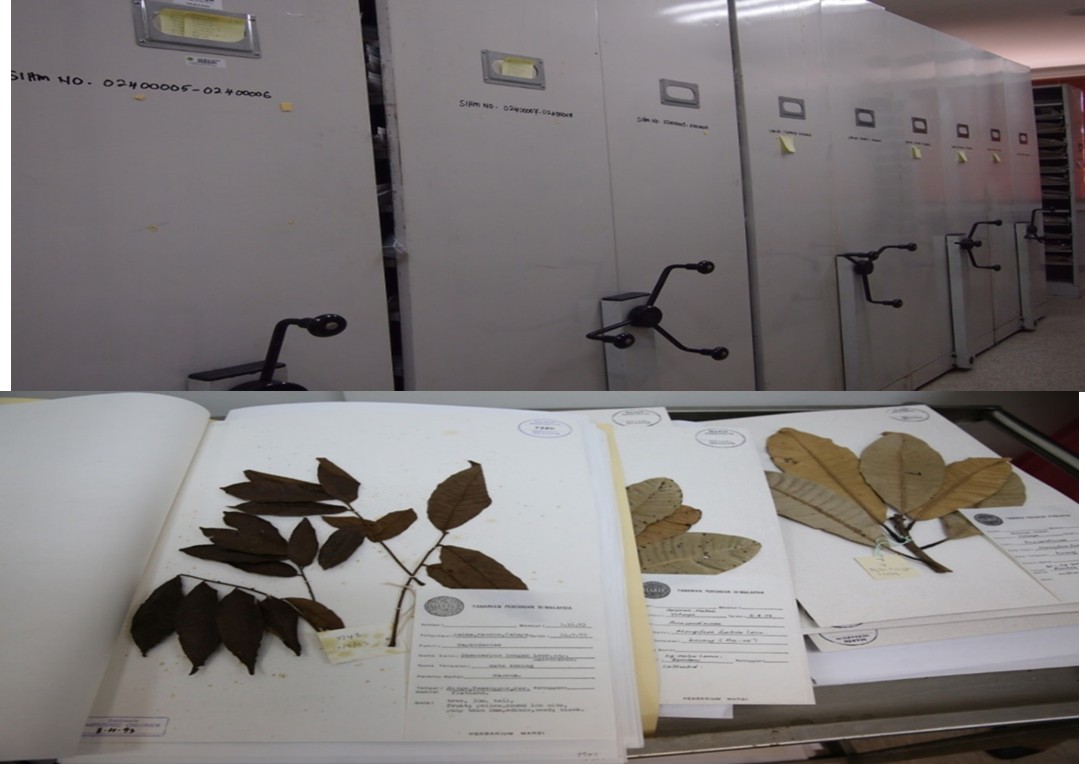
HERBARIUM MDI
Reference collection of agrobiodiversity specimens Herbarium MDI in the MyGeneBank™ Complex.PHYTOCHEMICAL LABORATORY
Phytochemistry Laboratory research facility for the analysis of potential chemical compounds from agrobiodiversity sources at the MyGeneBank™ Complex.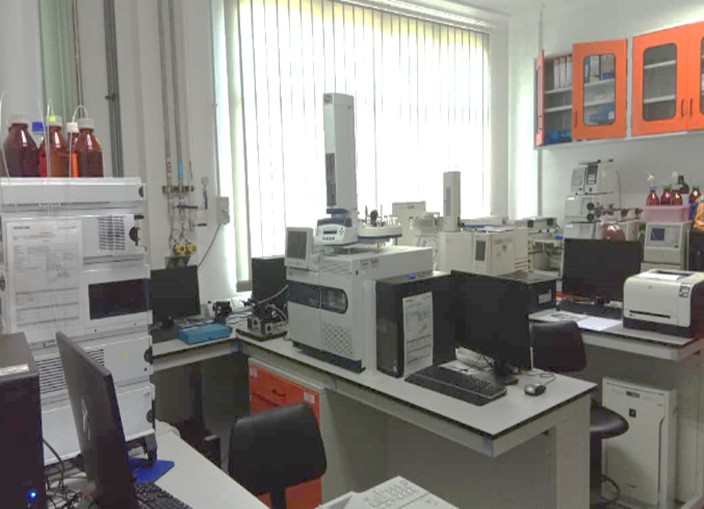
-
ADAPTATION TO CLIMATE CHANGE AND EXTREME WEATHER
CLIMATE CHANGE ADAPTATION TECHNOLOGY FOR RICE CROP THROUGH SATURATED AND WET WATER
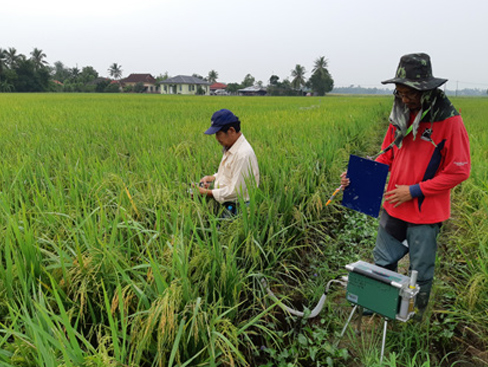
MANAGEMENT METHOD Climate change adaptation technology through saturated and wet water management method is one of the strategies for sustainable rice cultivation. This alternative water management can save up to 35% of water input, reduce 30 – 55% of methane gas emissions and maintain high rice yields of around 6 – 7 t/ha.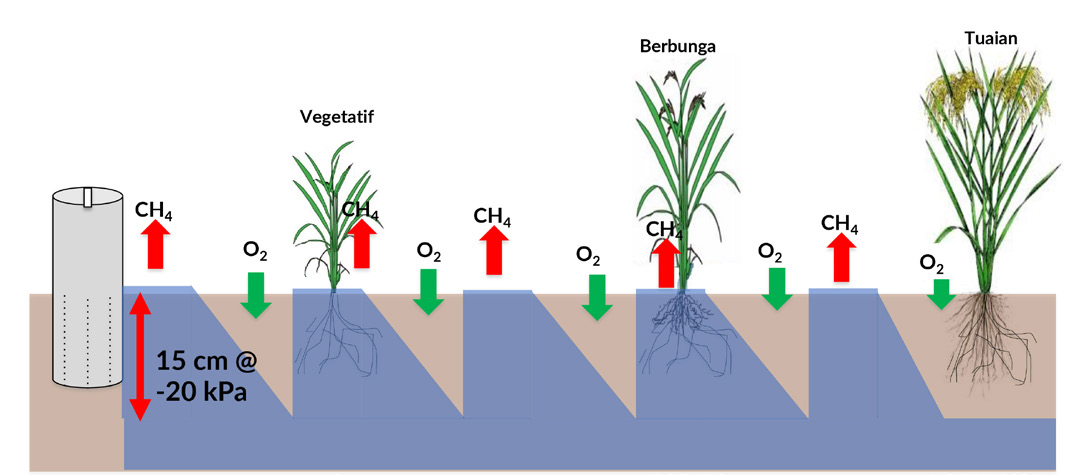
Wet soil conditions to reduce soil anaerobic period -
EXPLORING FUTURE FOOD SOURCES
COMPLETE PACKAGE OF PLANTING QUINN (MANGIFERA ODORATA)
It is the result of research and data collection on kuini crops since the early 2000s. It includes botanical information, nutrition, basic planting requirements, post-harvest handling, pest and disease management and economic analysis of kuini production to maximize the potential and popularity of this species for diverse agribiodiversity market segments.


PIONEER SCALE YAM PRODUCTION TECHNOLOGY
Cultivation of new sources of carbohydrates is important to ensure food security in Malaysia. Yam is one of the food sources that supplies carbohydrates in this country. This yam production technology is very relevant to the country's agricultural industry and covers aspects of morphological characterization, genetic relationships, nutrition, agronomy, pests and diseases, tissue culture development as well as economic and market analysis.POST-HARVEST HANDLING TECHNOLOGY FOR YALMUTAS (COLOCASIA ESCULENTA)
Techniques to extend the shelf life and maintain the quality of fresh yams ( Colocasia esculenta ) using optimal handling packages starting from harvesting at the appropriate maturity index, roasting, sanitation, curing treatment at optimal temperature, relative humidity and duration, using appropriate packaging materials and storage at optimal temperatures.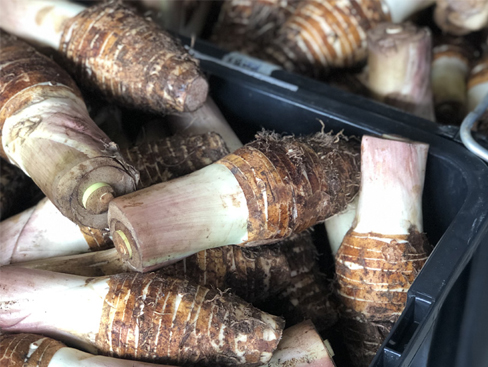
-
MITIGATION AND SUSTAINABLE AGRICULTURE
PYROLYSIS TECHNOLOGY FOR PRODUCTION OF BIOCHAR AND WOOD VINEGAR FROM AGRICULTURAL WASTE
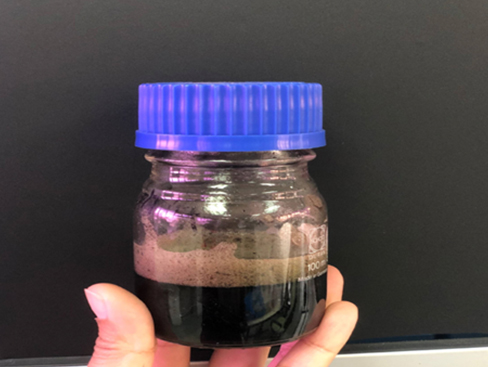
This technology is pyrolysis for the production of biochar and wood vinegar from agricultural waste. It is an effective method of managing agricultural waste through pyrolysis techniques ( slow pyrolysis ) which can produce biochar and wood vinegar. The wood vinegar produced is an acidic substance that is beneficial to plants as an insect repellent and is also effective as a biofungicide.

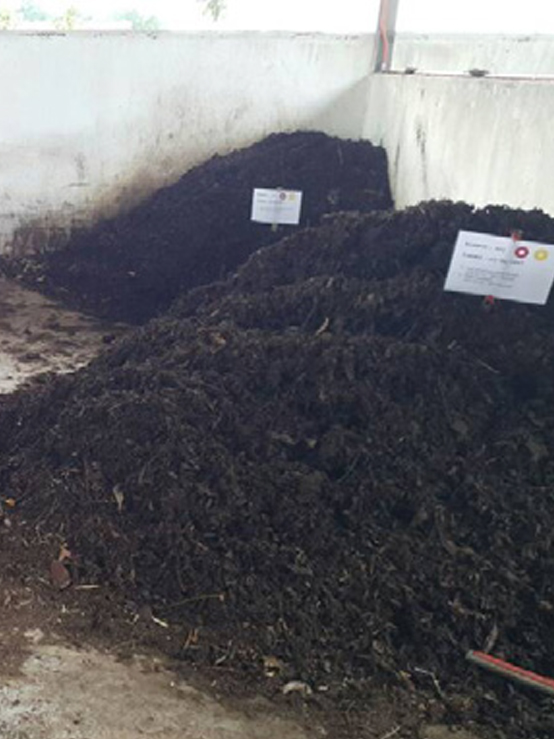
LARGE-SCALE LANDSCAPE WASTE MANAGEMENT TECHNOLOGY THROUGH COMPOSTING METHODS
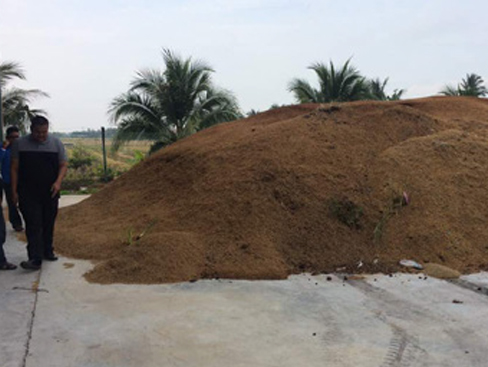
Composting landscape waste can improve existing disposal techniques and contribute back to MARDI by reusing the compost that has been produced for planting purposes.GREENHOUSE GAS EMISSION MITIGATION TECHNOLOGY FOR RICE CROP THROUGH THE APPLICATION OF MI KROB STRAW DECOMPOSER
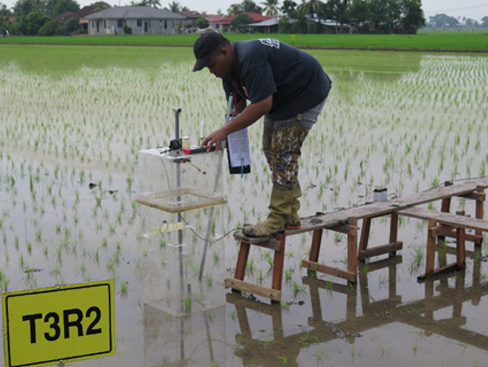
Initial study findings through the Life Cycle Assessment (LCA) process show that 76.85% of greenhouse gas (GHG) emissions from rice cultivation are caused by anaerobic cultivation methods. One alternative to reduce GHG emissions is through the application of microorganisms that can help the rate of straw decomposition (degradation) in the field.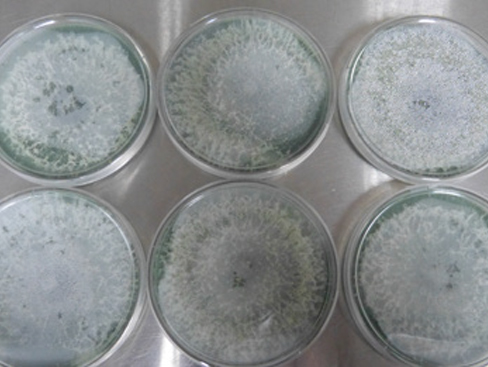


Frequently
Asked Question

Contact
Us

Feedback & Complaints